The storm arrived on a Thursday in February. Wind off the water, rain pushed sideways for about six hours, a few hours of gusts after midnight. Nothing dramatic enough to make the news beyond a couple of downed branches. The homeowner walked the yard on Saturday, picked up a cracked tile from the side setback, put it in the green bin, and thought nothing further of it.
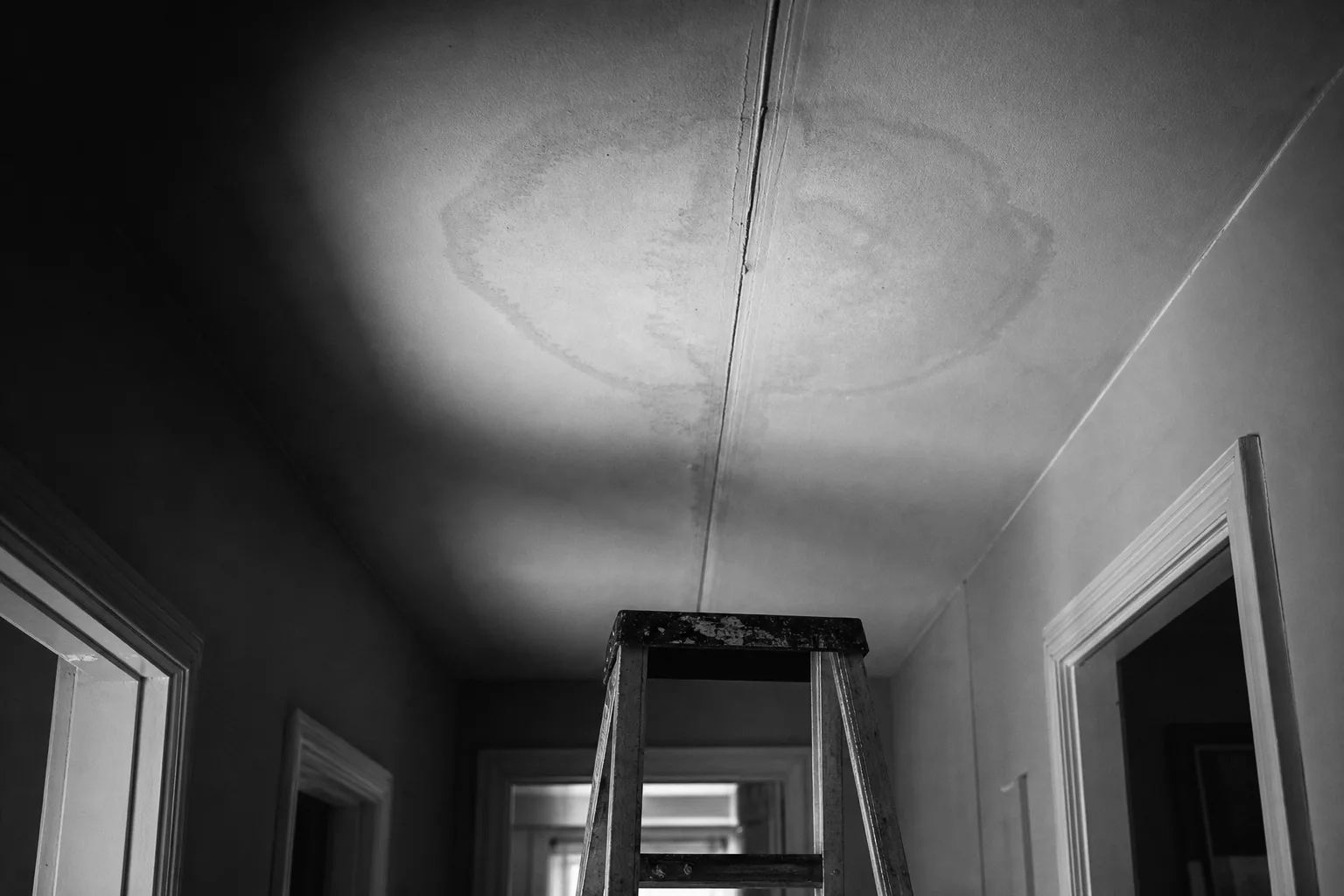
The stain showed up on the hallway ceiling in April. Faint, about the size of a dinner plate, in a part of the house with no plumbing above it. By the time the claim was reported in May, the outcome had largely been decided, and not by anything that happened in April or May.
Three changes nobody reads at renewal
The policy on this house had been in force for nine years with the same carrier. It had been renewed eight times. In that span, three things changed, each disclosed in the renewal packet, each in a document the homeowner had never opened.
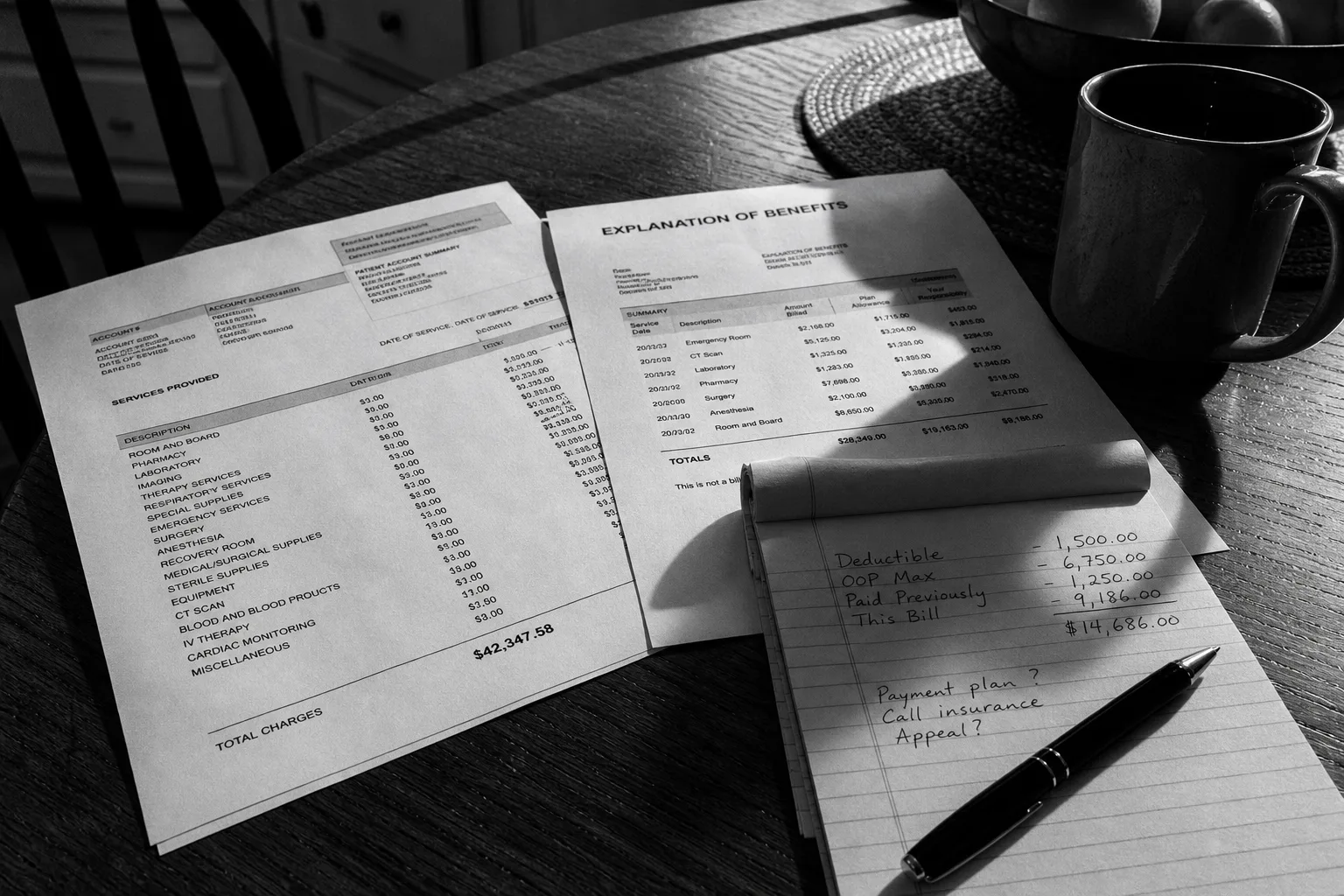
First, the wind and hail deductible stopped being a flat dollar figure and became a percentage of the dwelling limit. On a coastal house with a dwelling limit that has been inflating along with construction costs, a two percent deductible is a very different number than the flat deductible it replaced. It is not a rounding error. For many households it is most of a modest roof repair.
Second, a roof surfaces endorsement was added. Under it, the roof is no longer settled at replacement cost once it passes a certain age. It is settled on a schedule: a stated percentage of replacement cost based on the age of the covering, with the depreciation taken off the top and not recoverable later. A twenty-two-year-old concrete tile roof sits well down that schedule.
Third, the reporting language tightened. The older wording asked for notice as soon as practicable. The newer wording pairs that with an outer limit measured in days from the date of loss for wind and hail, with the clock starting at the storm, not at the discovery.
None of those changes was hidden. All three were in the declarations and the endorsement list. The homeowner, like nearly everyone, had checked the premium and filed the rest.
The sequence that actually mattered
Here is the order of operations that would have changed the result, and where this household fell off it.
The first step is the same whether you think you have damage or not: after a named storm or a high-wind event, look. From the ground, with binoculars if the pitch is steep, and from inside the attic with a flashlight on a bright day. Daylight through the deck is obvious. What you are really looking for is darker, damp sheathing, rust bloom on nail shanks, and stained insulation. In this house, the attic would have shown a wet patch within about forty-eight hours of the storm. It took eight weeks to come through the drywall below.
The second step is to date the event. Photograph the cracked tile where it landed, not in the bin. Note the date. Pull the local observed conditions for that day and save them. Insurers verify storm dates against weather data as a matter of routine, and a claim that aligns with a documented event moves differently than one that does not.
The third step is notice. Report it even if you do not yet know the extent, even if you suspect it falls under the deductible. Notice preserves the claim. It costs nothing to report an event and then decide not to pursue repairs. It costs a great deal to discover in April that the window closed in March.
Only after those three does anyone get on the roof. Temporary protection, tarping, a repair estimate: all of that is step four, and all of it is easier to get paid for once the file is open.
What the adjuster found, and what the file could not prove
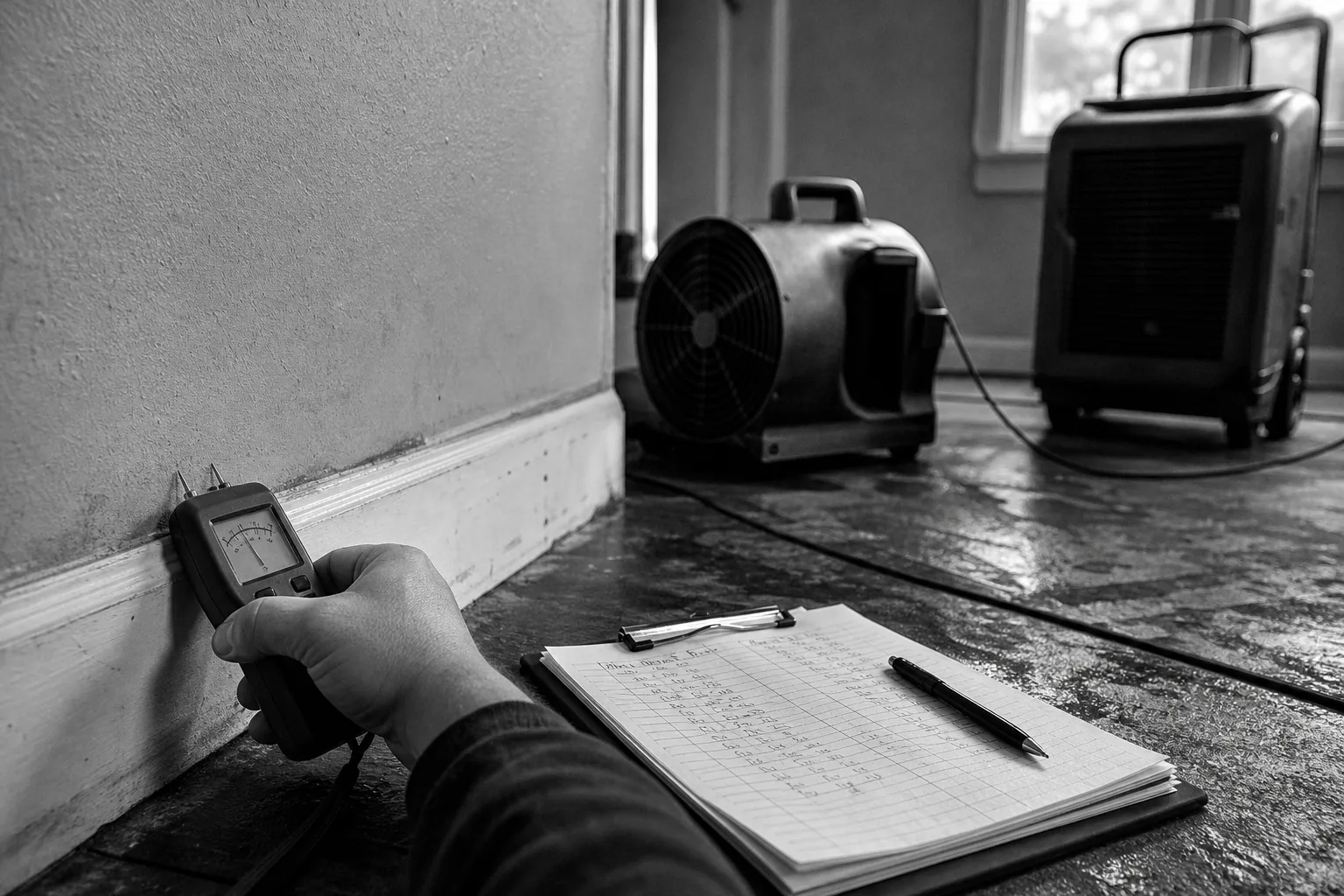
The inspection in May found three cracked tiles in a run above the hallway, displaced underlayment, and a section of sheathing that had been damp long enough to delaminate at the edges. The tile itself was a discontinued profile. Matching was going to be a problem.
The adjuster did not dispute that wind had cracked the tiles. What the file could not establish was how long the water had been getting in. Wear, deterioration and long-term seepage are excluded in most policies, and the gap between a February storm and a May report gave the carrier a reasonable argument that part of the sheathing damage was neither sudden nor accidental. The underlayment on a twenty-two-year-old roof is at the end of its service life regardless of weather, which complicates the question further.
Where the claim landed: the sudden damage was accepted, the sheathing was split between covered and excluded, the roof covering was settled on the age schedule rather than at replacement cost, and the percentage deductible came off what remained. The ceiling repair inside was covered as resulting damage. The homeowner paid the larger share of the roof.
Why the terms moved, and what it means on the ground
Carriers have been repricing wind exposure on older roofs for several years, and roof age has become one of the sharpest underwriting lines in residential property. The practical effect shows up in ordinary ways that people rarely connect back to storms at all: a renewal that asks for the date of the last roof replacement, an inspection photo request, a non-renewal notice on a house with no claims history, a buyer's lender asking for remaining roof life before closing. Those are all downstream of the same shift.
It also changes who you call and when. A contractor working year-round on roofing in long beach will have seen enough salt-air corrosion and wind-lifted underlayment to tell you whether a roof is three years from the end or ten, which is the number your renewal now turns on. Get that assessment before the storm season rather than after, and keep the written version with the policy. An invoice showing a replacement date, with photographs, is what converts an argument about age into a documented fact.
Flood is a separate matter and a separate policy. The National Flood Insurance Program is administered by FEMA, and water that arrives at ground level, from the street or from a rising channel, is not what a homeowners policy means by wind-driven rain. On a coastal lot it is worth knowing which of the two you would be filing under before you need to.
The household in this case replaced the roof that summer, paid more of it than they expected, and set a calendar reminder for the week after each winter storm to check the attic. The next claim they file will be reported inside the window, with a dated photograph attached, against a roof whose installation date is on file with the carrier. That is a different claim entirely, and it was always available.