The usual mistake is not choosing the wrong improvement. It is choosing any improvement before finding out who else gets a vote on whether it counts. A seller decides on Sunday to replace the kitchen, calls a contractor Monday, and only in week three learns that the septic permit on file describes a two-bedroom house while the listing will say four. The kitchen was never the problem.
Sequence is most of this. A handful of phone calls, made before the first check, will tell you which line items come back at closing and which are simply money you spent on a house you are leaving.
The order of operations, before anyone picks a tile
Work from the permanent to the cosmetic. Permanent means anything recorded with a government office or tied to a legal description: the septic permit, the well, the flood zone, the setback, the easement across the back third of the lot. Those things either match the house you intend to sell or they do not, and no amount of finish work papers over a mismatch.
Next come systems with a documented age: roof, HVAC, water heater, electrical panel. These show up in inspection reports and in insurance underwriting, which means they affect whether a buyer can get coverage and therefore whether the buyer can get a loan.
Cosmetics come last. They also come cheapest, which is why people start there.
Four people whose answer sits next to your decision
None of these calls costs much. All of them change the scope.
An appraiser. Not a free opinion of value from someone hoping for the listing. A local residential appraiser, hired for an hour of consultation, can tell you what the comparable sales in your specific subdivision actually support. In many lake and hill country markets there is a ceiling that no kitchen will push through, and a seller who hits that ceiling has effectively donated the remodel to the next owner.
The county permit and environmental health office. In unincorporated areas, the on-site sewage facility permit is the document that quietly governs bedroom count, additions, and sometimes the deck you built over the drain field. Decentralized wastewater is a subject the Environmental Protection Agency oversees at the federal level, but the rules you live under are written and enforced by the county, and they vary across a county line you can walk to.
Your insurance agent. Agents know which roof ages trigger an actual cash value settlement instead of replacement cost, and which carriers have stopped writing in your zip code altogether. If a buyer cannot bind a policy, the deal does not close, and a new roof moves from optional to structural in the sense that matters.
The POA architectural committee. Property owners associations around reservoirs tend to have real teeth: approval required before you start, fines if you did not, and a resale certificate that will eventually disclose the violation to your buyer. Approval is usually not hard. Retroactive approval is.
Why the same improvement pays differently thirty miles apart
National remodeling cost-versus-value lists are averages across markets that have nothing in common. A finished basement is a meaningful number in Ohio and a fiction in most of Texas. A whole-house generator reads as luxury in one region and as a basic utility in another, depending on what the grid did last February.
Around Canyon Lake specifically, the items that move a buyer are rarely the glamorous ones: a functioning and recently inspected septic system, a well with a current water test, defensible space and a metal roof where wildfire is a live underwriting concern, and a foundation with documentation rather than hairline cracks and silence. Lakefront and near-lake parcels add flood zone questions, and the maps that determine them are maintained through FEMA's flood mapping program. An elevation certificate in the file is worth more than a backsplash.
The further you get from a city's extraterritorial jurisdiction, the more the answer shifts from building code to county rules, and the more it depends on who holds the records.
Where a delay stops being recoverable
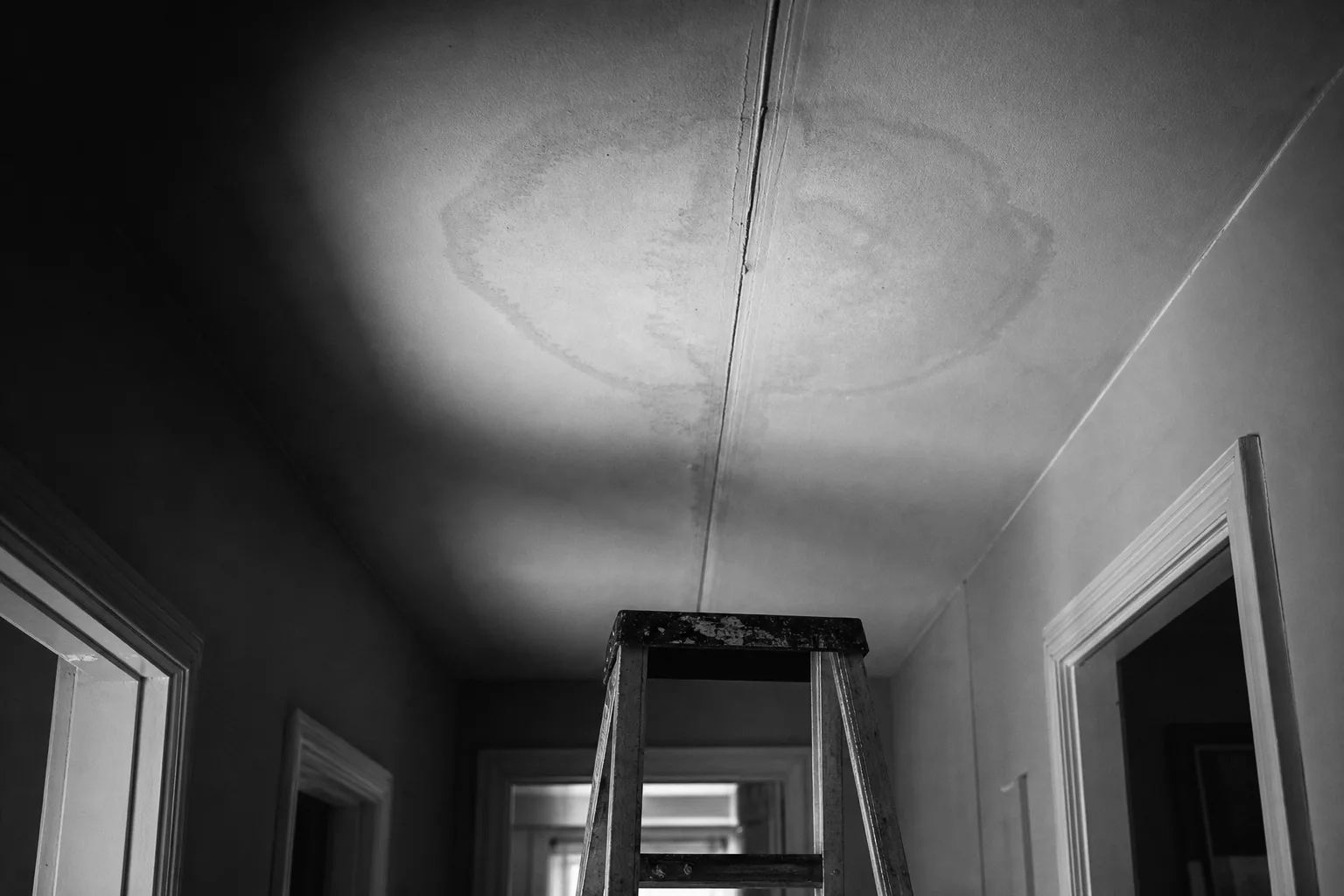
Some deferred items stay the same price for years. A dated bathroom is dated in March and dated in November. Others compound: active water intrusion, an unpermitted addition that grows a lien history, a septic failure that becomes a surface discharge the county must act on.
The recoverable window closes when a repair crosses from discretionary into lender-required. At that point you are not choosing whether to spend, only whether to spend before listing at your pace or during the option period at the buyer's. The second one costs more and arrives with a deadline.
There is also a legitimate exit from the whole exercise. When the repair list exceeds what local comparables will return, selling without repairs is a defensible calculation rather than a surrender, and an investor advertising that we buy houses in canyon lake tx is pricing exactly that list, openly, in the offer. Compare that number against the net after repairs, not against the retail list price.
Make the four calls first. They cost a week and they decide the rest.