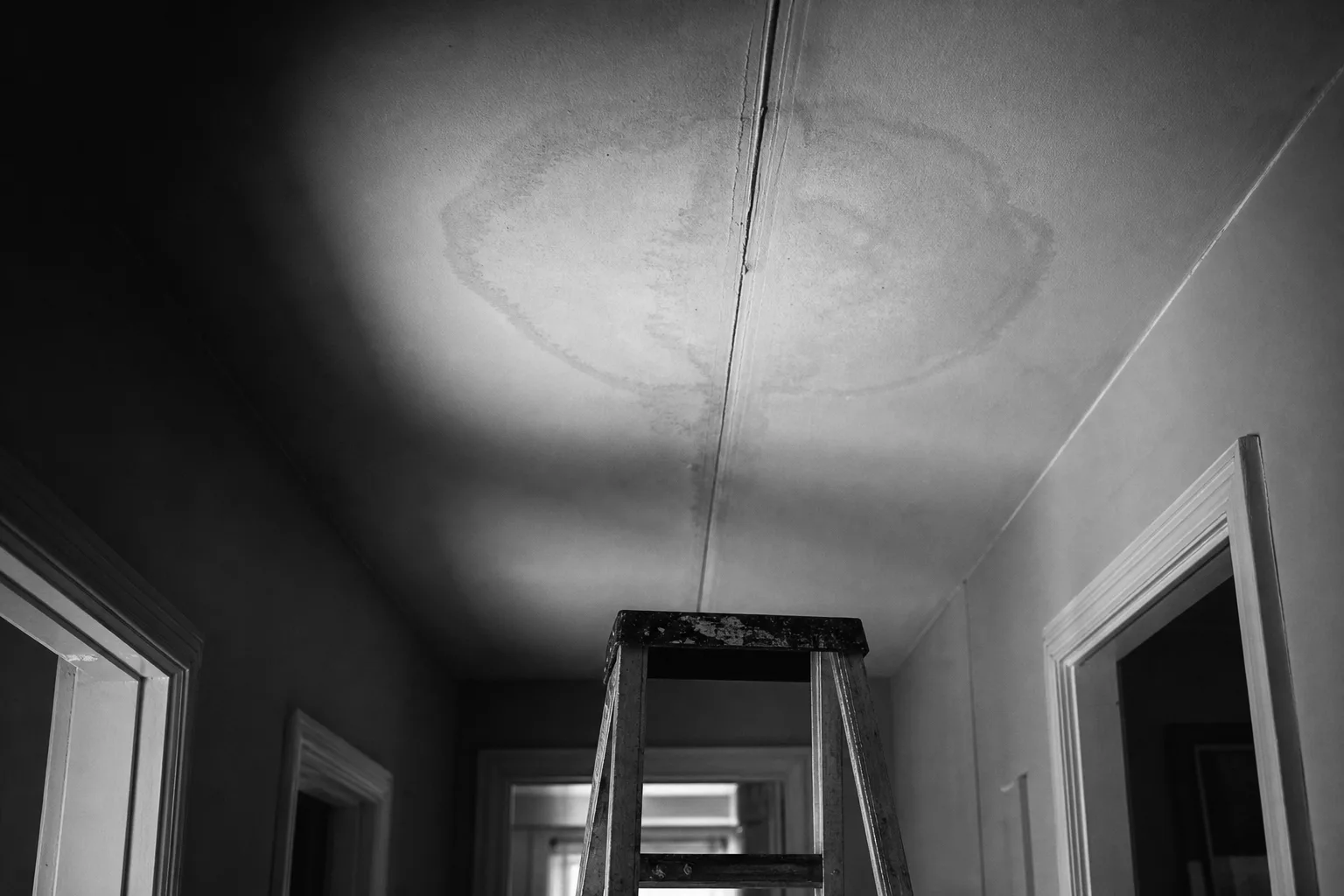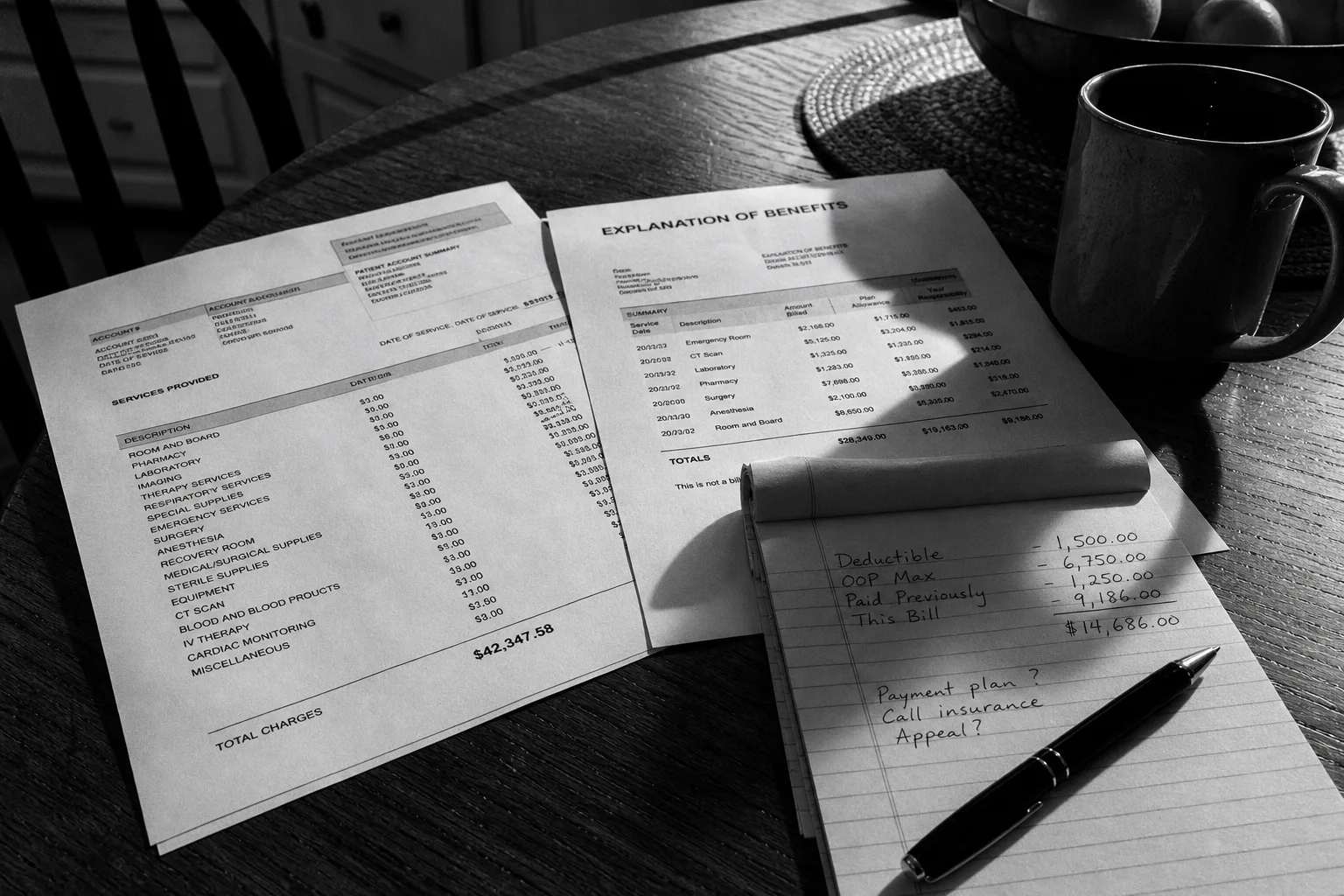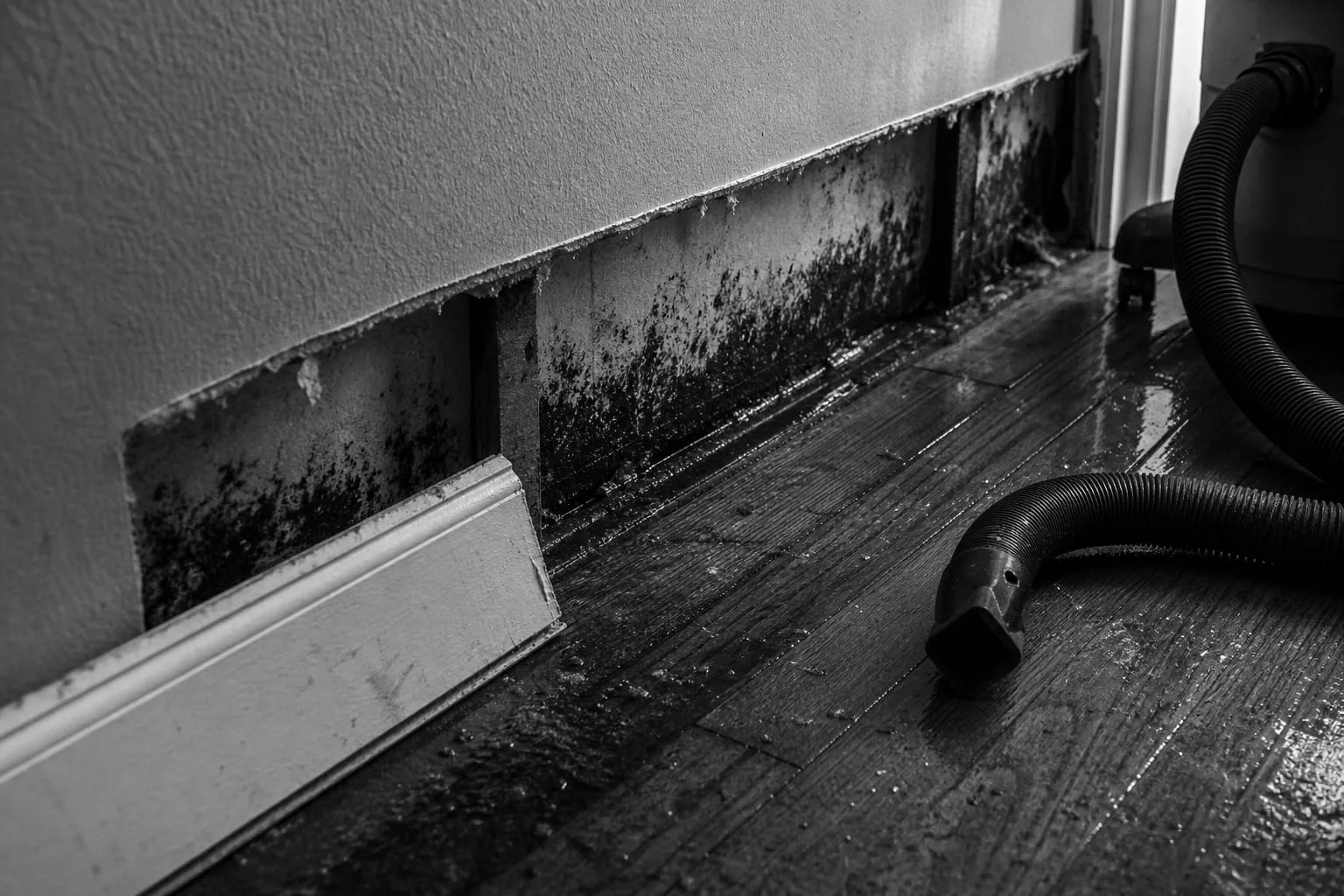
Water damage is usually described by how much water there was, which is the wrong axis to think along. A restoration crew arriving at a house does not begin by measuring volume. They begin by deciding what the water is, because a split supply line and a backed-up sewer line produce floors that look identical from the doorway and invoices that do not resemble each other at all. That decision, made inside the first hour and recorded on a form most homeowners never read, is what determines how much of the floor, the wall, and the furniture leaves in a dumpster.
The Three Categories in Plain Terms
The first category covers water that came from a sanitary source and has not picked anything up on the way: a burst supply line, an overflowing sink with the tap running, a failed water heater connection, rain that came through a roof and landed on a clean surface. It is unpleasant and it is expensive, but it is not hazardous, and material that gets dried quickly enough can usually stay in the building. The second category covers water carrying meaningful contamination without being sewage, which is where dishwasher and washing machine discharge, toilet overflow from the bowl side, and water that has run through an occupied space belong.
The third category is water that is grossly contaminated, and it is the one that changes everything about the job. Sewage backing up through a floor drain qualifies, as does groundwater or flood water that has crossed the ground outside before entering, because nobody can say what it crossed. Anything porous that this water has touched is being removed rather than dried, and the crew works in a different way, with different containment and different protective equipment. The categories are not a severity scale in the ordinary sense; they are a statement about what is living in the water.
What Changes at Each Step Up
Moving from the first category to the second changes the boundary between drying and removing. Carpet padding stops being salvageable, insulation inside a wet wall cavity comes out rather than being dried in place, and porous materials get judged much more strictly than they would have been the day before. Antimicrobial treatment enters the scope, and so does a longer set of moisture readings, since anything treated and left in place has to be documented as having actually dried. The equipment on site looks similar. The list of things going into the dumpster gets considerably longer.
Moving to the third category changes the shape of the work rather than its scope. Containment goes up so the affected area is sealed off from the rest of the house, air scrubbers run, and the crew wears equipment that makes plain to anyone watching that this is a different kind of job. Drywall comes out well above the visible water line, subfloor is frequently sacrificed, and anything absorbent that cannot be laundered at high temperature is unlikely to survive the scope. The labor rises, the disposal rises, and the timeline stretches because demolition has to finish before drying can even start.
Categories Migrate, and Nearly Always in One Direction
A category is a description of the water at a moment in time, and water does not stay still. Clean water sitting on a floor for two days at room temperature, in contact with carpet, dust, and whatever was under the furniture, is no longer clean water in any useful sense, and a crew arriving on the third day will grade it accordingly however clean it was when the pipe let go. Temperature accelerates this, so a summer loss migrates faster than a winter one. A category can in principle be revised downward after testing, but the movement is almost always the other way, which is the strongest argument there is for calling somebody the same day.
Where the Disagreement Actually Happens
The category is set by the restoration contractor and paid for by the insurer, and those are not always the same judgment. An adjuster reviewing photographs a week later, working from a report rather than from the smell of the room, may see a first category loss where the crew on site saw a second. This is where documentation stops being paperwork and becomes the whole argument: dated photographs taken before anything moved, moisture readings at named locations, and a written source for the water. Restoration protocols on handling mold in buildings trace back to Environmental Protection Agency guidance, and pointing at the standard a scope followed persuades an adjuster far more reliably than describing how bad the room looked.
Why an Hour of Judgment Decides the Invoice
For a homeowner standing in a wet hallway, none of this is visible, and the crew’s first hour looks like people walking around with a meter and a clipboard while the water is still there. That hour is the most consequential part of the job. It sets what gets dried and what gets torn out, what the insurer will reimburse without argument, and whether the house is being restored or partly rebuilt. The useful thing a homeowner can do is ask which category has been assigned and why, and write the answer down, because that one word on a form is doing more work than anything that happens afterward.