A quote goes out on a Tuesday with a materials list, a labor figure, and a total that took most of an evening to arrive at. It is accepted, the work goes well, the customer is pleased, and the job closes at almost exactly the number that was written down. Three weeks later the bank balance does not reflect any of that. Nothing on the quote was wrong. The trouble is what never made it onto the page, because every item that falls out of an estimate is still paid by somebody, and the somebody is usually the person who wrote it.
The Trips That Were Never Counted
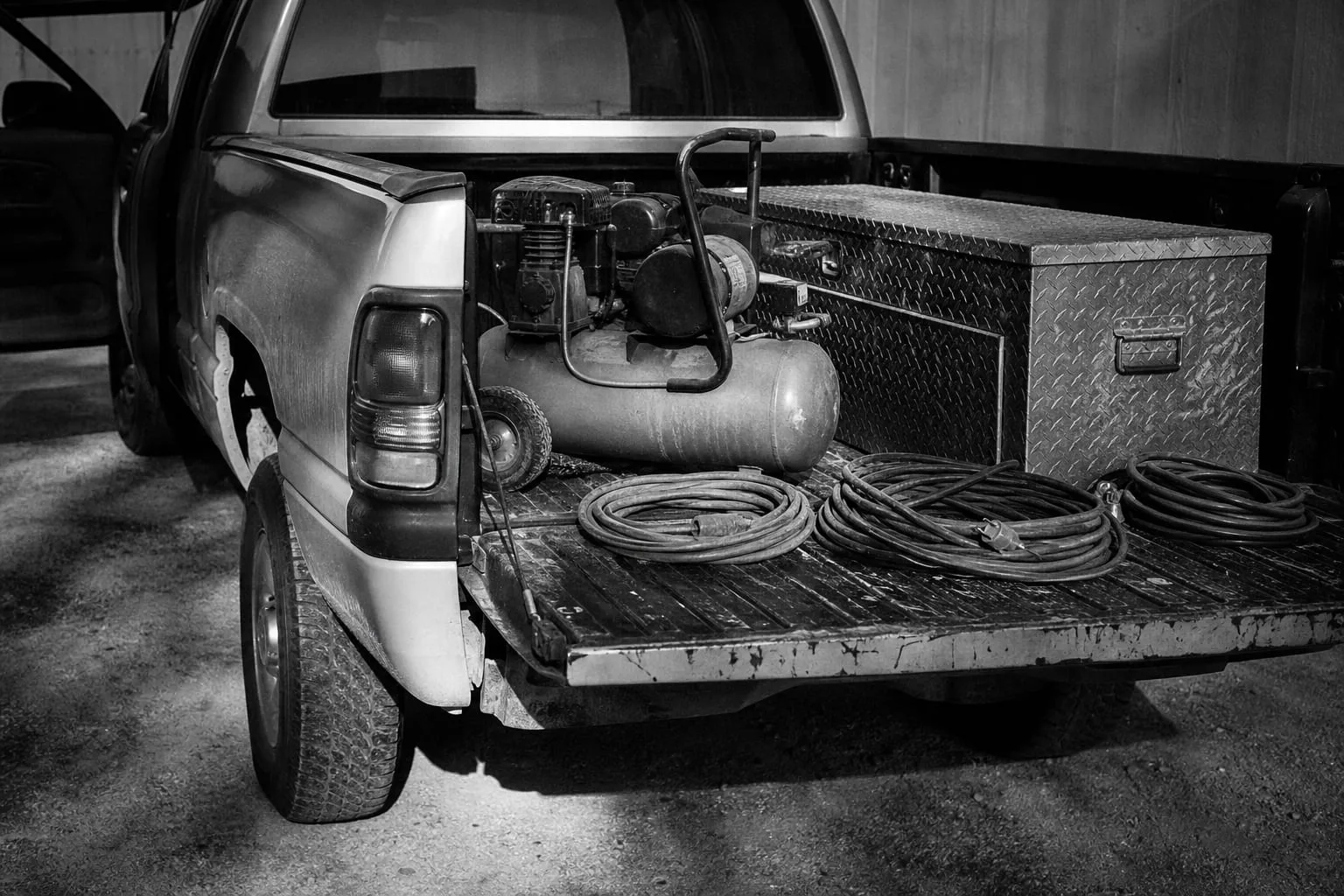
Almost every quote assumes a number of visits and almost every job requires more. There is the initial look, which happened before anything was priced. There is the morning the material was supposed to be delivered and was not. There is the run to the supply house for the fitting that was the wrong size, the return to collect a tool left behind, and the trip back a fortnight later because a customer noticed something small and reasonable. Each of those is an hour and a half by the time it is finished.
The reason they vanish from the estimate is that none of them feel like work while they are happening. Driving is downtime in the way a person experiences the day, so it does not get logged, and a quote built from remembered effort systematically excludes it. The correction is not to bill for every trip, which customers reasonably resist, but to know how many the average job of a given type actually requires. Two extra trips priced into every quote of that kind is invisible to a customer and covers the pattern.
Waste Removal, Which Nobody Prices Until the Driveway Fills
Debris gets left out because it arrives at the end, after the interesting part of the job is done and the estimate is a month old. A bathroom strip-out fills more of a truck than anyone anticipates, and the transfer station charges by weight, and the tile that came off the floor is the heaviest thing that will be carried all week. On larger jobs the container has a rental period and a weight allowance, both of which are exceeded quietly and billed afterward.
What makes this cost distinctive is that it is genuinely predictable from the scope, which means leaving it out is a habit rather than an uncertainty. A shop that has done twenty bathrooms knows roughly what comes out of one. Writing a disposal line into the quote, even as a modest fixed figure, does two useful things: it recovers a real cost, and it prompts the conversation about whether the customer would rather handle it themselves, which some of them genuinely would.
The Hours Spent Quoting Work That Went Elsewhere
Every quote that does not convert was still produced, and producing one properly takes a site visit, a set of measurements, an hour with supplier pricing, and the writing itself. A shop winning one job in three is spending two unpaid preparations for every paid one, and that time has to be recovered from somewhere. It is recovered from the jobs that do convert, whether or not anybody has arranged for that to happen deliberately.
The alternative to pricing it in is to reduce the volume of it, which is frequently the better answer. Qualifying harder on the phone, declining to quote work that is plainly a price comparison exercise, and charging for detailed design or estimating on complex jobs all reduce the unpaid hours rather than redistributing them. Either approach works. What does not work is treating quoting as free, since it consumes exactly the hours that would otherwise have been sold.
Small Parts, Bought at Retail on the Way to the Job
Consumables are the cost that never appears anywhere in a form anyone can see. Blades, screws, caulk, tape, sandpaper, shims, glue, drill bits, the plastic sheeting, the box of fasteners bought at a big box store at eight in the morning because the supply house was not open. Individually every one of these is too small to bother with. Across a year they accumulate into a figure that startles people the first time it is separated out of a card statement.
They are also bought at the worst possible price, because a part needed on site immediately is bought wherever it can be had rather than wherever it is cheapest. The way to handle this is not itemization, which is more effort than it is worth, but a percentage added to material on every job. Working out the right percentage takes one evening with last year’s statements, and the number is usually higher than the guess that preceded it.
Payment Terms, Which Are a Cost Wearing a Different Name
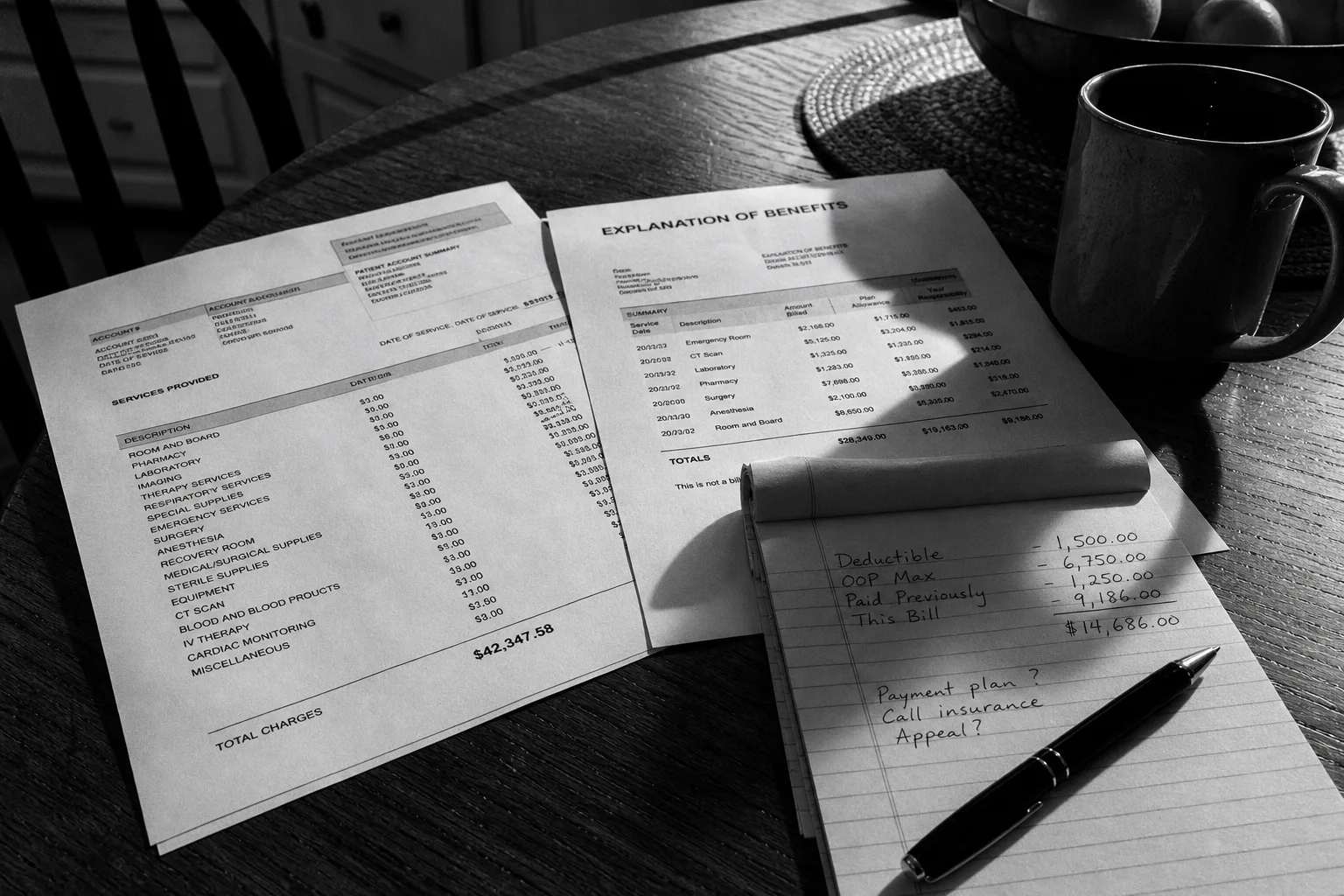
An invoice payable in thirty days that is actually paid in fifty is a loan, and the shop is the lender. The cost of it is real even though it never appears as a line anywhere: material bought on delivery, payroll met every fortnight, and a gap in between that gets covered by a line of credit, a card, or the owner not paying themselves that month. On a job with heavy material content the gap can exceed the profit on the job, which means the work was completed successfully at a temporary loss.
Pricing terms into the quote is normal practice everywhere except in small trades, where it tends to feel impolite. A deposit covering materials, a progress payment at a defined stage, and a shorter net period for new customers are all ordinary requests, and the free counseling network the Small Business Administration funds exists partly to give owners somewhere to check that instinct against. The version that quietly fails is the shop that offers generous terms to win the work and then discovers that its cheapest customer is also its slowest payer.
Why All of This Lands on the Owner
The pattern connecting the five is that none of them are visible to the customer, so none of them get argued about, which is exactly why they get absorbed. A customer who is charged for an extra trip will ask about it. A customer who is not charged for it never knows it happened, and the shop that swallowed it experiences the loss as a vague sense that the month went worse than the jobs suggested. Bringing them onto the page, even as one combined percentage rather than five separate lines, is the difference between a quote that describes the job and one that describes what the job costs.