Spring cleaning is generally described as looking after a house, and the vocabulary quietly does a lot of work there. Washing baseboards, moving furniture to vacuum behind it, wiping down cabinet fronts and shampooing a carpet all take a weekend and leave a home that is pleasanter to be in. What almost none of it does is protect the building, and the small number of tasks that genuinely do are usually somewhere else entirely, on a different list, or on no list at all.
What Deep Cleaning Is Actually Doing
Most cleaning is about appearance and comfort, and those are perfectly good reasons to do it. A clean house is more pleasant, easier to live in, and better for anyone with allergies, which is a genuine health benefit rather than an aesthetic one. None of that is being disparaged here. The point is narrower: dust on a shelf, marks on a wall, and a carpet that has gone dull are conditions that do not worsen structurally, and leaving them for another year costs nothing except how the room looks.
The distinction matters because household effort is finite and gets allocated by visibility. The tasks that get done are the ones that produce a visible improvement, and the tasks that protect a building are largely invisible before and after, which is why they lose every time they compete for the same Saturday. A household that spent one of its two cleaning weekends on the invisible list would be materially better off, and it would feel like it had accomplished less.
The Jobs That Are Cleaning and Also Maintenance
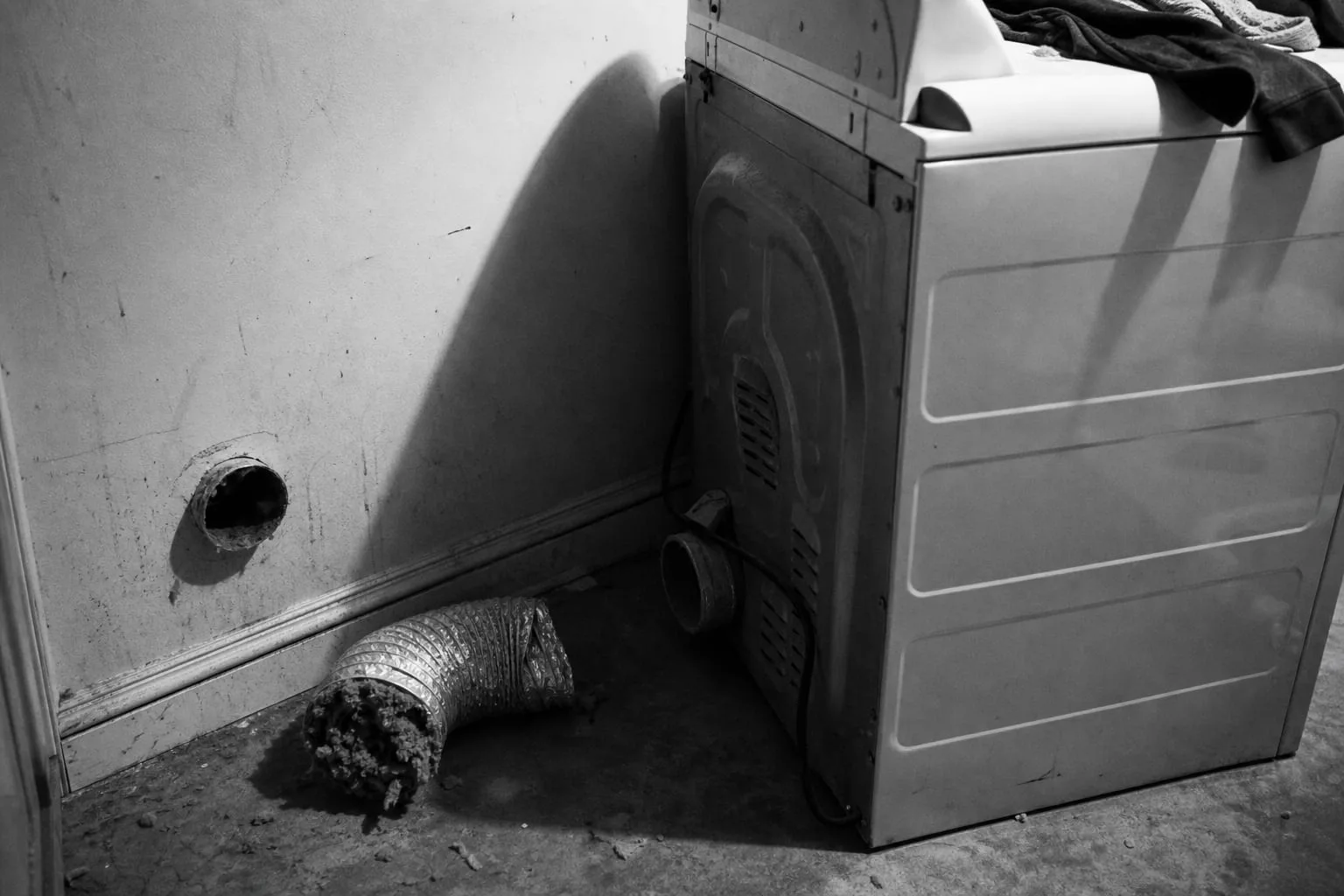
A handful of tasks sit in both categories and they are the ones worth protecting on the calendar. A dryer vent that fills with lint restricts airflow, makes the appliance work harder, and is a genuine fire risk, so clearing the run is cleaning that also prevents something. Refrigerator condenser coils packed with dust shorten the life of a compressor. A range hood filter left long enough stops moving air, which sends cooking moisture into the room rather than out of it.
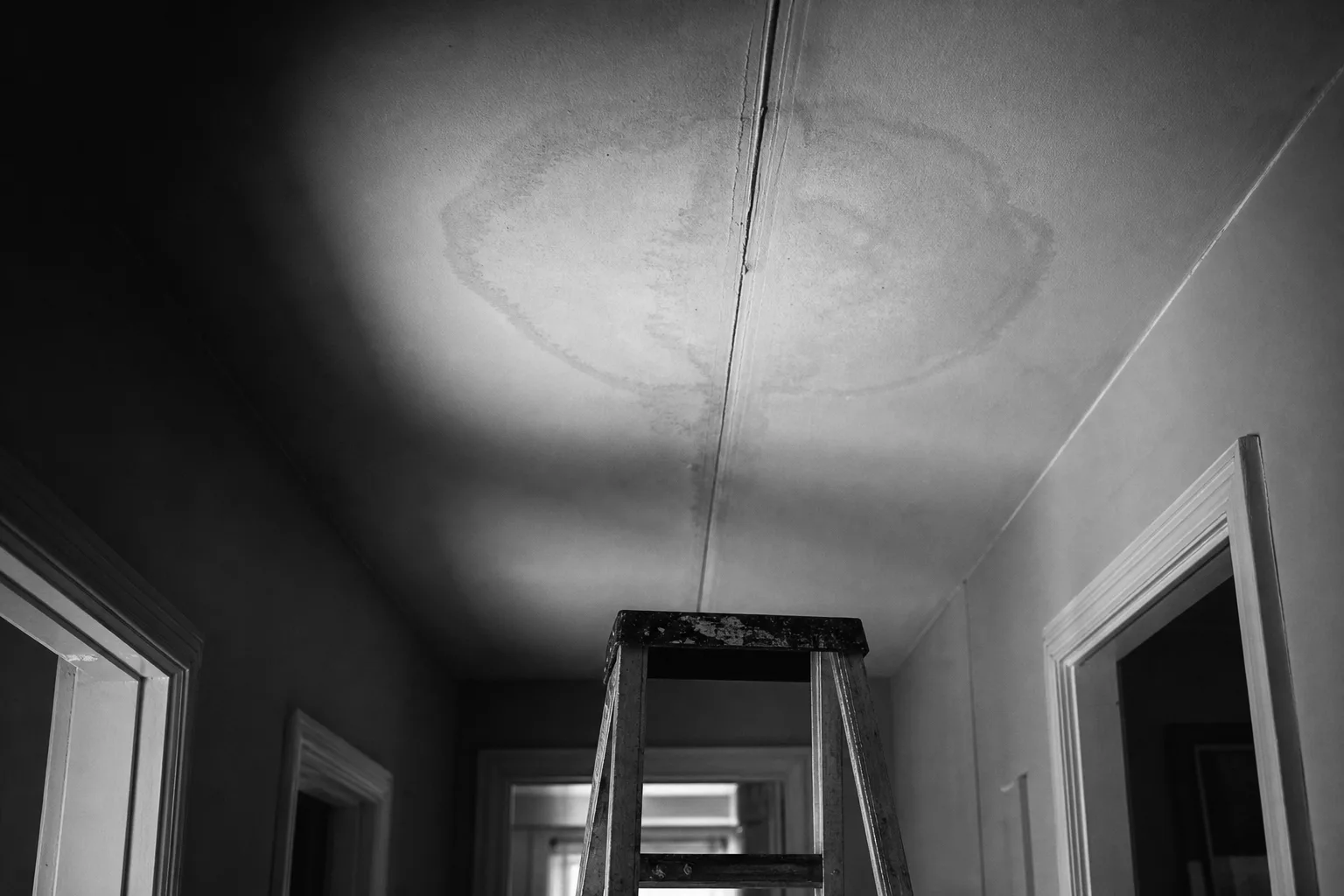
Drains belong here too, in a specific sense. Clearing a slow drain is maintenance, while pouring caustic products down a functioning one is not, and the second is genuinely capable of damaging older pipework. The pattern connecting the useful items is that each one restores a flow of air or water that the house depends on, and each one degrades gradually enough that nobody notices until the appliance fails or the ceiling stains.
Where Dirt Genuinely Causes Damage
Outdoors the calculation changes, because dirt outside is usually holding water against something. Leaves in a gutter, debris packed behind a downspout, soil built up above a siding line, and a deck with organic matter trapped between the boards are all cases where the material being removed is not the problem in itself. It is the moisture the material retains, sitting against wood or masonry through repeated wetting and freezing cycles, that does the damage.
The same logic explains why some outdoor cleaning is actively harmful. Pressure washing siding at close range drives water behind laps and into wall cavities, which is the opposite of the intended outcome, and it strips the surface of older paint and softwood. Cleaning an exterior is worth doing where it removes something that traps water and worth avoiding where the method itself introduces water somewhere it cannot easily leave.
Moisture, Which Is the Only Dirt That Compounds
Everything on the genuinely important list turns out to be about water, and that is the organizing idea worth taking away. A bathroom fan that has stopped moving air, a crawlspace with standing water, a dehumidifier that has not run in two summers, and a window that condenses every cold morning are all cheap to address and expensive to ignore, because moisture is the one contaminant that keeps working after it arrives. What the Centers for Disease Control and Prevention publishes about damp buildings is built around exactly that point: the health response and the building response converge, since fixing the moisture source is the only durable remedy for either.
None of those tasks feel like cleaning and most of them take under an hour. Checking that a bathroom fan actually pulls a sheet of tissue against the grille. Looking into a crawlspace once a year with a flashlight. Running a hand along the underside of a sink cabinet. They produce nothing to admire afterward, which is precisely why they lose to the carpet, and why a household that wants to look after its building has to schedule them separately rather than hoping they get absorbed into a cleaning weekend.
Ventilation is the mechanism that connects most of these, and it is the household system nobody thinks of as a system. A bathroom fan removes the water that a shower puts into a house, a range hood removes what cooking puts in, and a dryer vent removes a genuinely large volume from every load. When any of the three stops working properly, that water stays inside and finds the coldest surface available, which is usually a window reveal, an exterior corner, or the underside of a roof deck in an under-ventilated attic. Testing all three takes about five minutes and a sheet of tissue paper.
A Shorter List That Does Considerably More
The version of spring cleaning that protects a house fits on half a page and takes an afternoon. Gutters and downspouts cleared. Dryer vent run cleared. Bathroom and kitchen extraction checked for actual airflow. Refrigerator coils vacuumed. A look under every sink and behind every appliance that holds water. A walk around the outside looking for anything holding soil or debris against the building. That is the whole list, and it is shorter than most people expect.
Everything else remains worth doing for the reasons it was always worth doing, which is that a clean house is a better place to live. It simply should not be filed under maintenance, because the filing is what causes the confusion. A household that has washed its baseboards and shampooed its carpets has had a productive weekend and has not looked after its building at all, and the two hours that would have done so were spent somewhere the difference was easier to see.