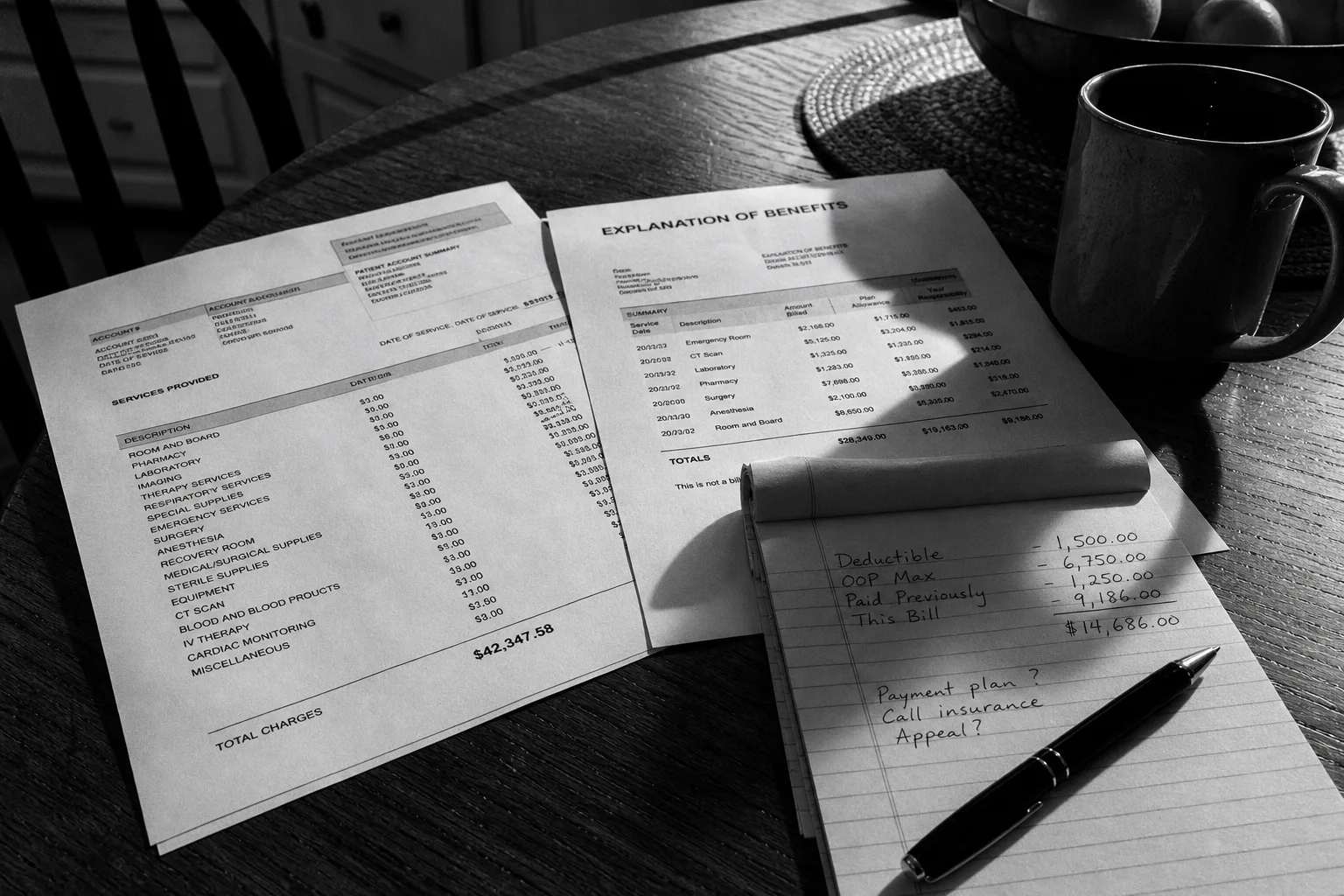
Think of the list that accumulates on the side of a refrigerator over a spring: gutters, a dryer vent, a running toilet, a deck that needs sealing, a tree limb over the garage, a furnace that has not been looked at in three years. Every item on it is something a reasonably capable person could learn to do, which is the framing that makes the list feel like a personal failing rather than a set of decisions. The useful question is different, and it is not about capability at all.
The Real Comparison Is Not Between Hourly Rates
The instinct is to compare a contractor’s price against zero, since doing it personally appears to cost nothing. That comparison is wrong in both directions. Doing it yourself costs the tools, the trips to buy the parts, the time spent learning the job, and the weekend itself, which has a value even if it never appears on an invoice. Paying somebody costs the invoice and nothing else, and it delivers the work on a date rather than eventually.
The honest version of the comparison is what the attempt actually costs against what the invoice actually costs, with the probability of having to call somebody afterward included in the first figure. That last term is the one people leave out, and it matters most on jobs where a partial attempt makes the professional version more expensive rather than less. A job half done is occasionally worse than a job not started, and knowing which category something falls into is most of the skill being described here.
Jobs Where a Saturday Wins Comfortably
Several common tasks are worth doing personally almost regardless of circumstance, and they share a shape: low tool requirement, low consequence if done imperfectly, and a professional price driven mostly by the trip rather than by the work. Changing furnace filters, cleaning a dryer vent run that is short and accessible, clearing gutters on a single storey, replacing a toilet fill valve, and sealing a deck are all in this group. Each is an afternoon, each has abundant instruction available, and each fails harmlessly.
The frequency argument reinforces it. A task that recurs several times a year rewards learning once and repeating, whereas a task done once a decade never repays the learning at all. That is why filter changes and gutter clearing sit firmly on the personal side of the line while a furnace service, which requires judgment about combustion and a set of instruments, does not, even though both are nominally maintenance on the same system.
Scheduling is the underrated advantage on this side of the line. A contractor booked for a small job in a busy season may be three weeks out, and a running toilet or a blocked vent does not wait comfortably for three weeks. A household able to handle the small recurring items itself keeps the professional relationships for the things that genuinely need them, which also means the calls that do get made are for work worth a tradesperson’s trip rather than for a fifteen minute task that someone was reluctant to attempt.
Jobs Where the Tool Cost Settles It
A second group is decided entirely by equipment. Renting a floor sander, a tile saw, a pressure washer, or a drain auger converts a job from impossible to feasible, and the rental is cheap relative to the professional price. The arithmetic works when the tool is rented for a day and the job genuinely fits in a day, which is where optimism usually intervenes, since a first attempt at a task takes considerably longer than a fifth attempt and rentals are priced by the day.
The same arithmetic breaks completely for tools that cannot be rented sensibly or that require practice to use without causing damage. A floor sander in inexperienced hands leaves marks in a hardwood floor that are permanent and expensive to correct. A pressure washer will strip paint, gouge siding and force water behind trim. In both cases the tool is available and the skill is not, and the cost of the lesson is paid in a surface that has to be professionally repaired.
Jobs Where Risk Rather Than Skill Is the Argument
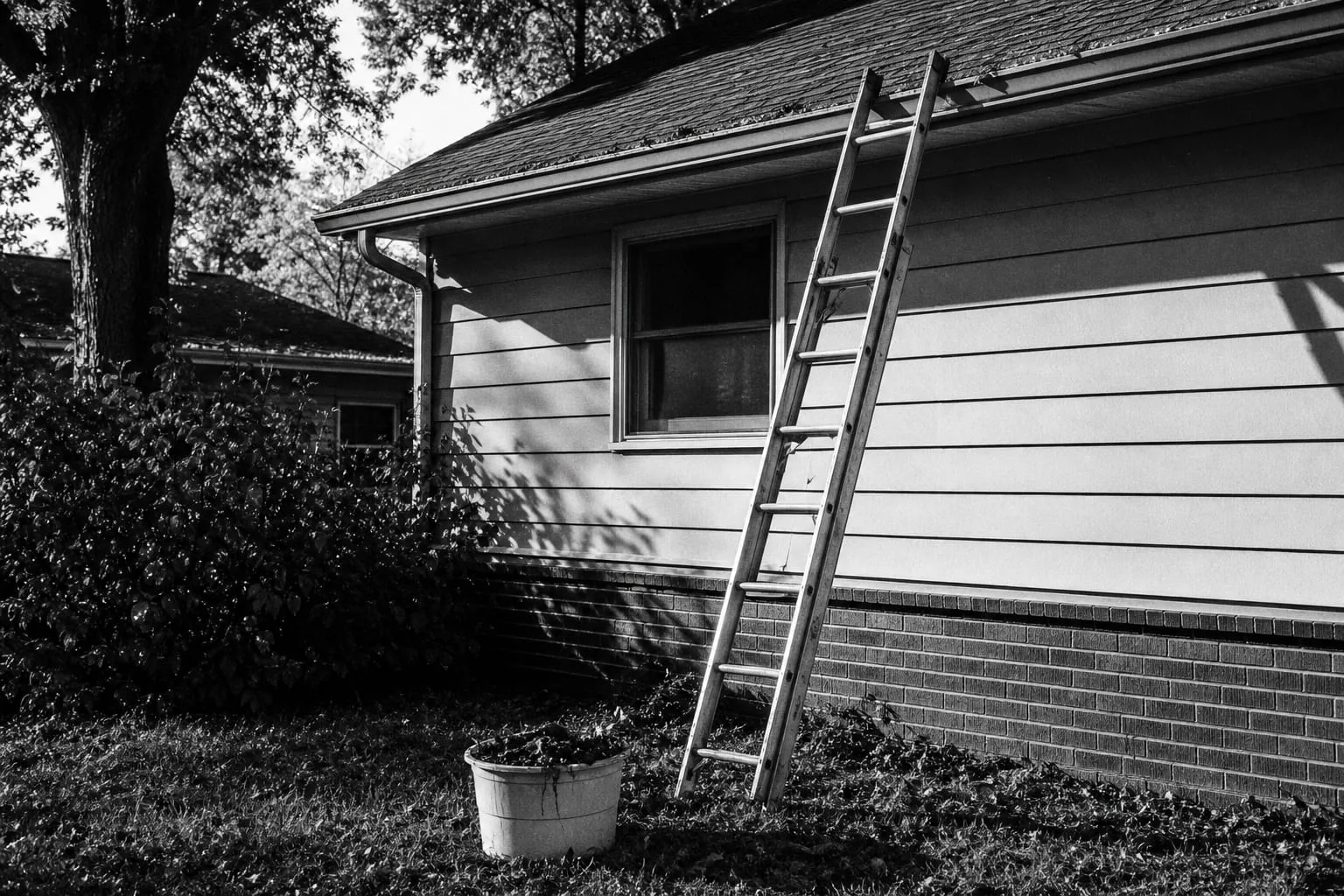
A third group is settled by consequence rather than by difficulty, and the tasks in it are frequently easy. Anything on a ladder above single storey height belongs here, as does anything involving a chainsaw, a gas line, or a live electrical panel. Falls from ladders and injuries involving portable power tools are among the household hazards the Consumer Product Safety Commission has tracked for decades, and the reason is not that the tasks are complicated but that the failure mode is disproportionate to the job.
The reasoning that helps here is to ask what the worst plausible outcome is and how likely it is to be recoverable. Painting a room badly is fully recoverable. Cutting a limb that falls the wrong way is not. A homeowner comfortable with heights, with the right ladder and somebody else in the house, is in a different position from one working alone on an extension ladder on soft ground, and the same job carries a different answer for each.
Timing is the other half of the risk argument and it gets less attention than it deserves. A task that is safe on a dry Saturday in June becomes something else on a wet roof in November, and the item on the refrigerator list does not record which conditions it assumed. Households that put off the outdoor work until the weather has turned end up doing the most consequential jobs in the worst conditions, having chosen the season by accident. Deciding in spring which items are going to be paid for removes that particular trap entirely.
The Jobs Worth Paying For Even When You Could Do Them
The last group is where the invoice buys something other than labor. Annual heating and cooling service produces a record that manufacturers ask for under warranty and that a buyer’s inspector will look for. Electrical work that requires a permit produces an inspection, which is what makes it insurable and what stops it becoming a problem at sale. Anything involving a structural element produces somebody else’s liability insurance standing behind the result.
That is the honest frame for the list on the refrigerator. It is not a test of competence and it never was. It is a set of small decisions about tools, consequences, frequency and paperwork, and a household that sorts the list into those four categories once will find that most of it answers itself, with three or four items left over that genuinely warrant a Saturday and two that warrant a phone call.