Most people choose a private practitioner by reading a biography. Training, board membership, years in practice, a paragraph about philosophy. All of it useful, none of it predictive of the thing that usually goes wrong, which is that records do not arrive, the billing document is unusable, and nobody answers the phone in week three when a lab result needs interpreting.
The clinical judgment is the practitioner's. The administrative machinery belongs to someone else entirely, and that person is worth a phone call before you commit.
Verify the license before you assemble anything else
Licensure varies by state and by discipline, and the first step is confirming that the credential you are relying on is one your state actually issues and regulates. Arizona, for example, licenses naturopathic physicians through a dedicated state medical board that maintains a searchable roster of licensees, their license status, and any disciplinary history. That roster is the record. A clinic page listing naturopathic doctors in arizona should give you names and credentials you can run against the board's register in a couple of minutes, and a practice that makes those names easy to find has already told you something about how it handles paperwork generally.
Check scope while you are there. A license determines what a practitioner may order, prescribe, and sign. That matters less for a wellness consultation and a great deal if you expect lab orders or a prescription to come out of the visit. Ask the office directly: can this practitioner order the panel we are discussing, and can they sign for it in this state?
The three documents to send before you arrive
Assemble these in this order, because the first one takes the longest.
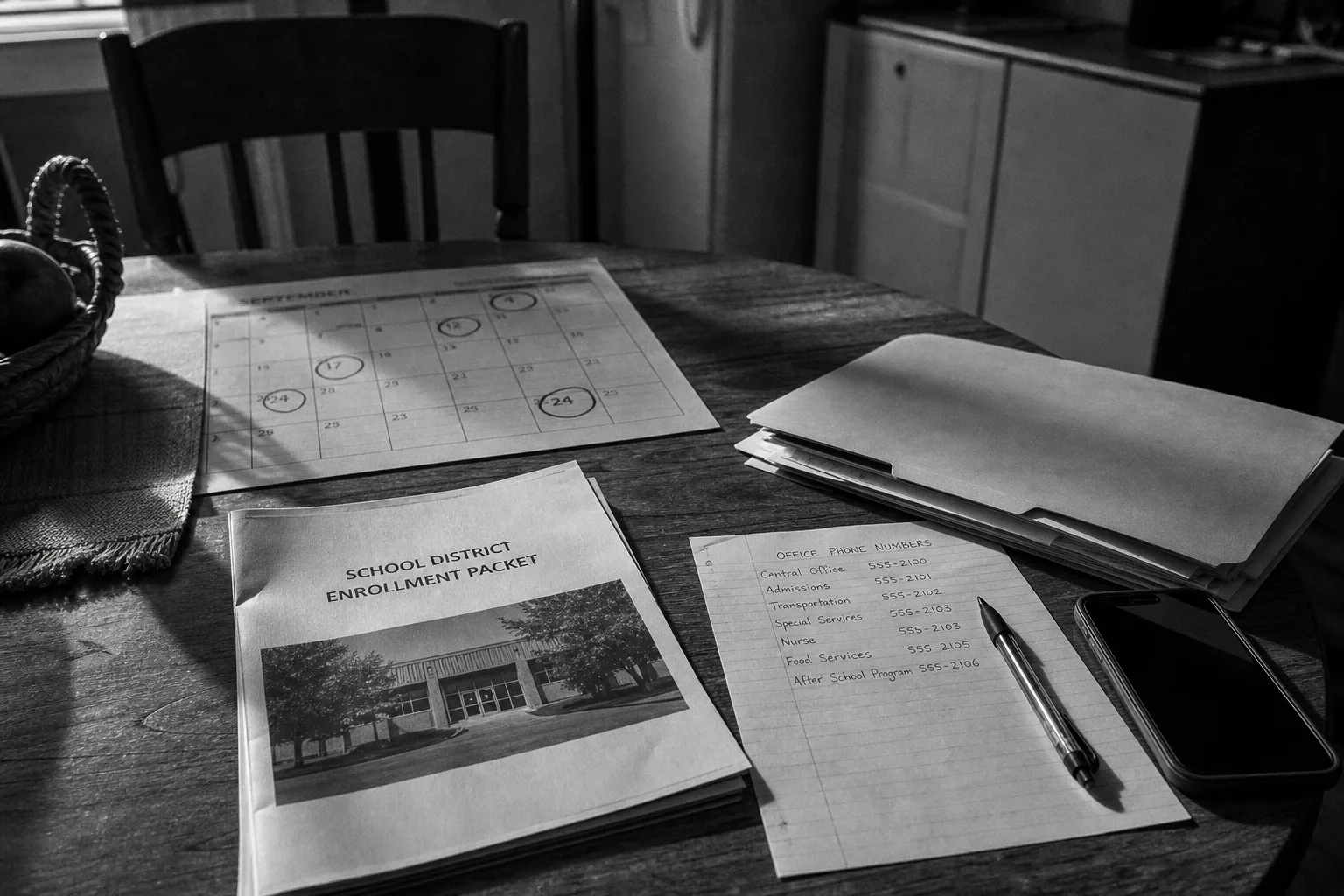
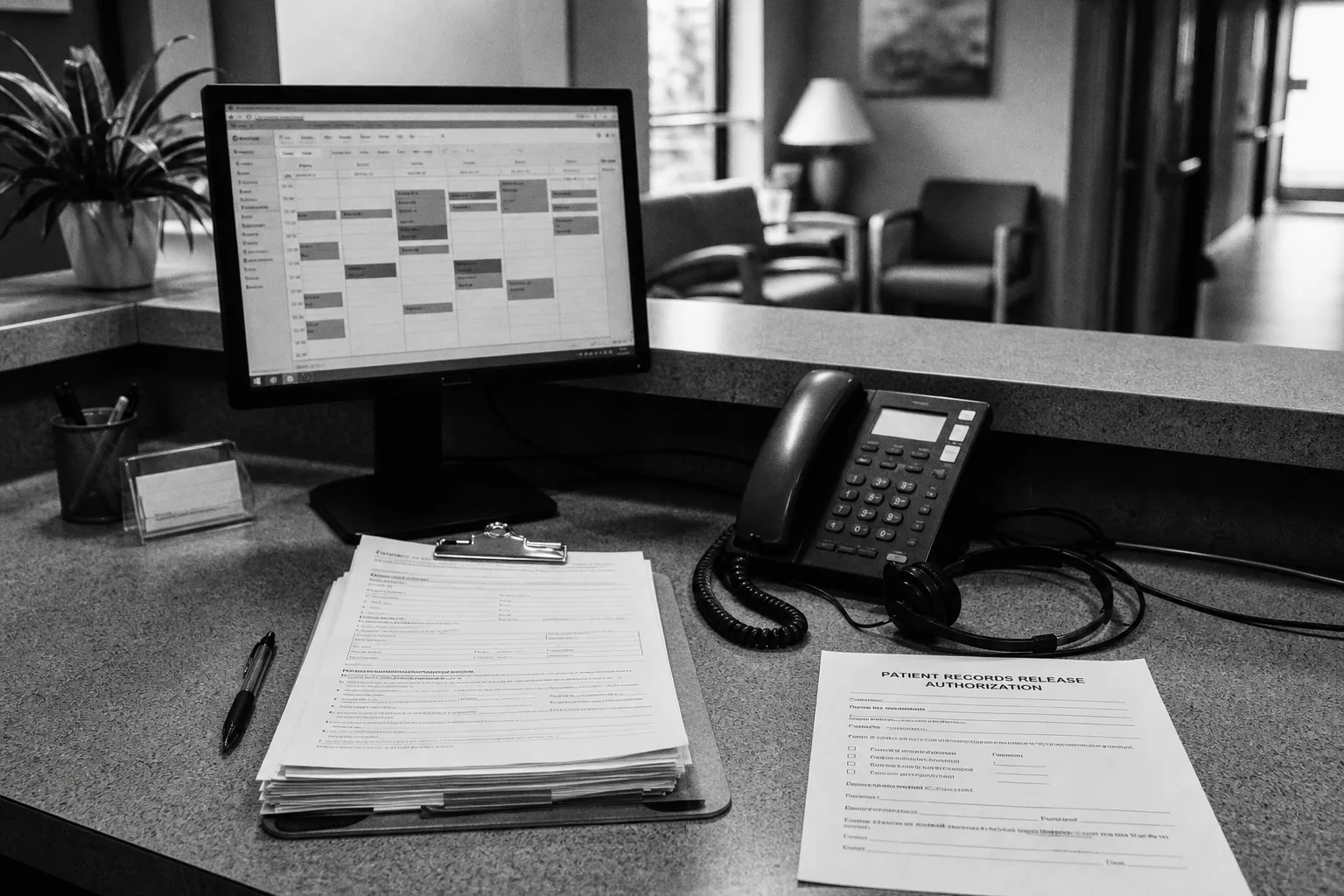
- Prior records. Request them from your existing providers as soon as you have picked a date, not the week of the visit. You have a federal right of access to your own medical records, administered through the Department of Health and Human Services, and most offices will fulfill a written request within a set window. That window is long enough to miss your appointment if you start late. Request the actual chart notes and lab results, not a summary.
- A current medication and supplement list. Everything, with doses and how long you have been taking it. Include the things you do not consider medicine. Interactions are the most common reason a first visit produces a cautious non-answer instead of a plan.
- A one-page timeline. When the problem started, what changed, what has been tried, what happened. One page. This is the document that most reliably shortens a first visit and improves what comes out of it.
Send all three ahead of time and ask for confirmation that they landed. An office that confirms receipt is an office that will also confirm a referral went out.
The party nobody interviews
Call the practice and ask the front desk four questions. Not the practitioner. The front desk.
- How do I get a message to the practitioner between visits, and what is the usual turnaround?
- What do you give me after the visit that I can submit to my insurer?
- Which lab do you send to, and who bills me for the lab work, you or them?
- If I need my records sent somewhere else later, how do I request that and what does it cost?
The answers tell you more than any biography. A front office that can answer all four without checking is one that has done it many times. One that cannot answer the billing question is one where you will be reconstructing your own paper trail in April.
Ask about the patient portal too, and whether it actually carries lab results and messages or exists only to confirm appointments. A working portal is the difference between a documented conversation and a half-remembered phone call.
What the first visit should leave you holding
By the time you walk out, you should have four things. A written summary of what was discussed. A specific plan with named next steps. Any lab or imaging orders, on paper or transmitted, with the lab named. And a billing document.
That last one deserves attention. If the practice does not bill your insurer directly, ask for an itemized superbill: the date, the practitioner's name and license number, their national provider identifier, diagnosis codes, and procedure codes with the fee for each. A receipt that says "consultation, $250" is not a superbill and will not survive an insurer's review. Ask at booking, not at checkout, because a practice that does not produce superbills will tell you plainly and you can price the visit accordingly.
Keep the supplement and dispensary spending on its own line. Dietary supplements are regulated by the Food and Drug Administration under a framework separate from prescription drugs, they are rarely covered, and they are worth tracking as their own category so you can see what the plan actually costs per month.
Sequence, and the one delay that does not recover
License check and the records request come first. Everything else can wait a week without consequence. The medication list and timeline can be written the night before. Insurance questions can be settled after you have met the practitioner, as long as you asked what document you will receive.
The records request is the item where delay compounds. A practitioner working without your prior labs will often order them again, which costs money and several weeks, and any conclusion drawn in the meantime is provisional. Start that request the day you book.
The second unrecoverable delay is quieter: not asking, at the first visit, who to contact when something comes back abnormal and the practitioner is out. Ask while you are in the room. The answer is usually a name, and a name is enough.