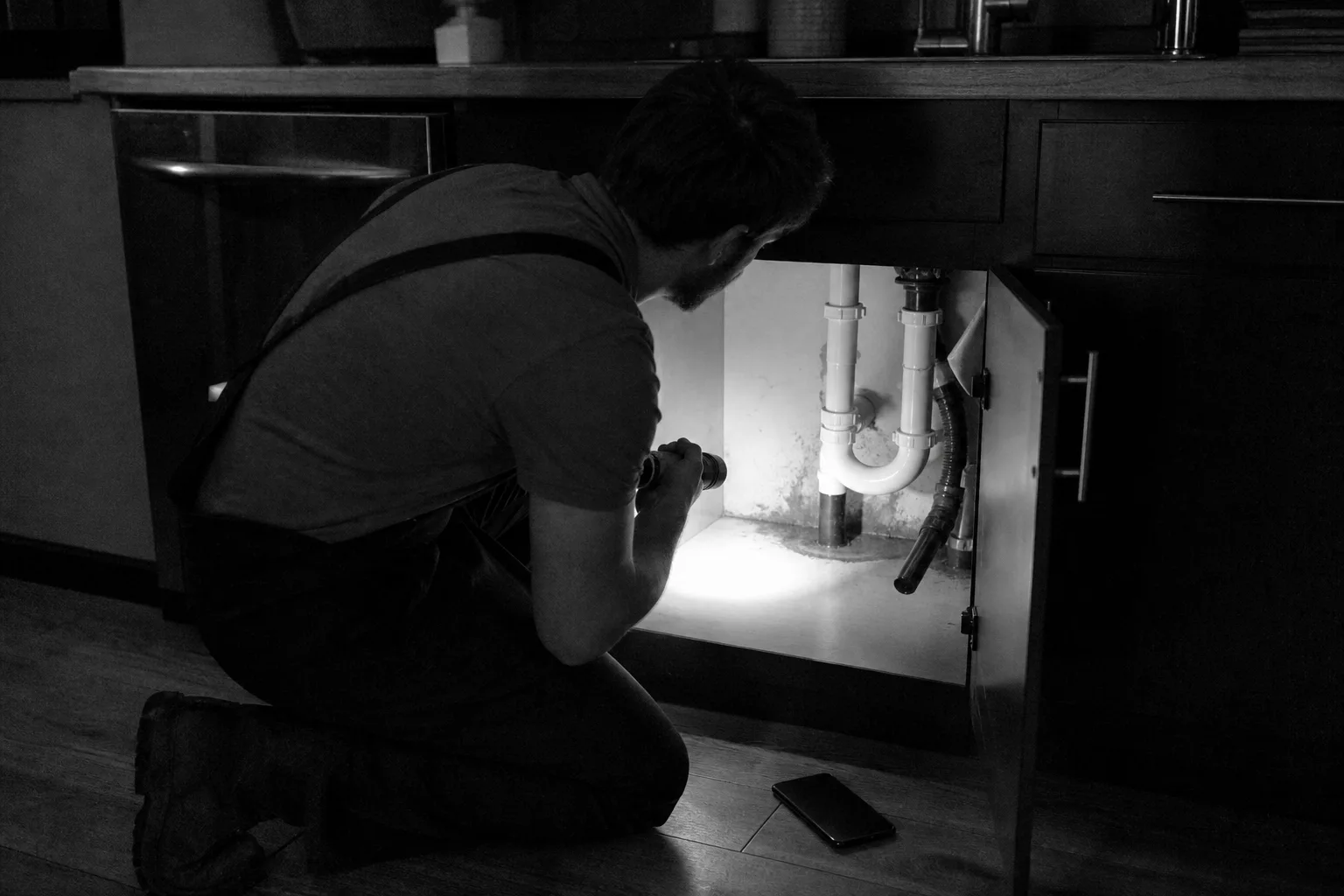
Two invoices, same house, same month. One says deep clean, kitchen and baths, 4 hrs. The other says the same thing and then adds four lines: caulk at the tub-to-tile joint has separated on the faucet wall, the cabinet floor under the kitchen sink is soft at the back left corner, the master bath exhaust fan is running but not pulling paper, and the refrigerator is warm at the vent.
Both crews were in the house the same length of time. Both left it looking the same. Only one of them told you that you have somewhere between forty dollars and four thousand dollars of decisions to make, depending on how long you wait.
That is the whole difference, and it is almost never priced into the comparison.
The person in the house every week is the one nobody treats as a party
Households think of an upkeep transaction as two parties: the person paying and the person cleaning. In practice there is a third role, and the cleaner is usually filling it without being asked, paid, or instructed.
They are the only person who looks closely at the same surfaces on a schedule. Not the plumber, who comes once a year at best. Not the inspector, who came before you closed and will not be back. Not you, because you stopped seeing your own baseboards sometime in the second month of living there.
A housekeeper, a window cleaner, a gutter crew, a pool service: each of them has their hands on a specific system at a specific interval. They see the change. Whether the change reaches you depends entirely on whether anyone set up a way for it to get there. Most arrangements have no such channel. The crew notices the soft spot, assumes you know, and moves on, because raising it feels like scope creep or like criticizing the house.
A good outfit reports anyway. A barely adequate one does not, and you cannot tell them apart by looking at the floor.
Three jobs, side by side
The gap is easiest to see if you put the acceptable version and the good version next to each other on tasks most households buy.
| Job | Barely adequate | Good | What the gap costs later |
|---|---|---|---|
| Gutter clearing | Debris removed, downspouts flow | Same, plus notes on loose hangers, a seam weeping at a corner, and where the water is landing at grade | A detached section in the next storm, or a wet foundation wall you find from the inside |
| Bathroom clean | Surfaces disinfected, mirror streak-free | Same, plus caulk condition, grout that is staying dark after drying, and whether the fan is actually moving air | Water behind tile, which stops being a caulk job and becomes a demolition job |
| Appliance area clean | Floor mopped around the units | Same, plus dust load on the condenser coils, a dryer transition duct that is crushed, a supply line braid showing rust | A failed compressor, a vent fire risk, or a burst line while you are out of town |
Notice that the good column is not more skilled work. It is the same work plus five minutes of looking and two minutes of writing. That is why it is worth paying for and why it so rarely gets specified.
Where a delay stops being recoverable
Small neglect does not compound at a steady rate. It sits flat for a long time and then crosses a line, and the line is almost always the point where water or air gets behind a surface you cannot clean.
Sequence it out. Caulk separates: this is a twenty minute fix with a utility knife and one tube, and it stays a twenty minute fix for months. Water starts wicking into the substrate: still recoverable, but now you need the wall to dry, which means the fan has to work and you need to stop using that shower for a while. The substrate stays wet through two or three cycles: you are now cutting out tile, and the mortar bed and possibly the framing behind it come into the conversation.
The first stage is a supply run. The last stage is a contractor, a schedule, and a room you cannot use. Nothing dramatic happened in between. The only variable was how many weeks passed before somebody said something out loud.
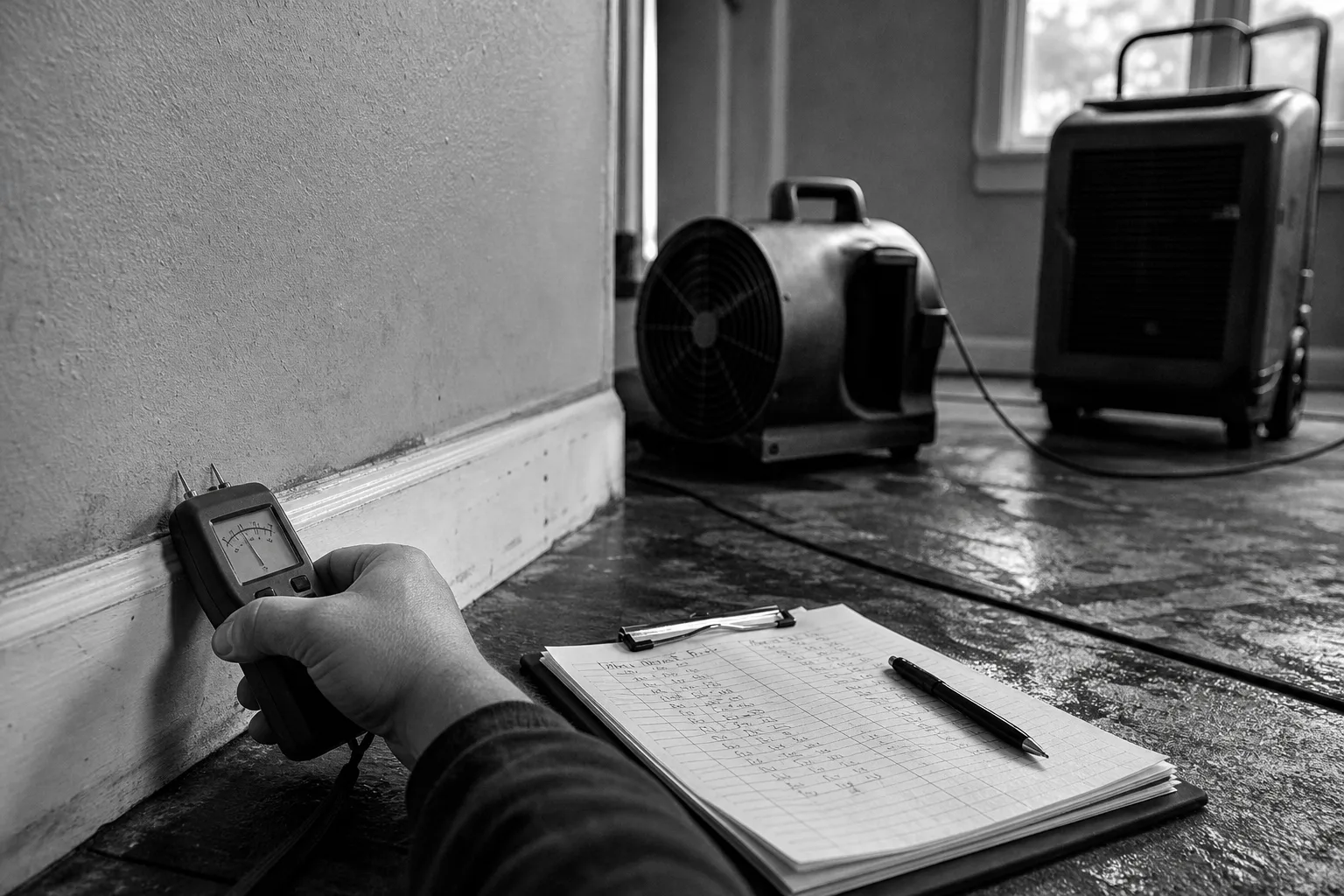
Moisture is the case where the compounding is worst, and it is the case with the clearest external guidance. The Environmental Protection Agency is responsible for federal guidance on indoor mold and moisture control, and the recurring theme of that guidance is drying time rather than cleaning product. A surface that stays wet does not need a stronger cleaner. It needs the source stopped and the air moving, and every week of delay widens the area that has to be dried.
How to build reporting into the arrangement
Do this at the start, not after something goes wrong. It takes one conversation.
- Name the systems you want watched. Not "tell me if you see anything." Say: the caulk lines in both baths, under both sinks, behind the refrigerator, the laundry hookups. Four specific places beats an open invitation, which produces nothing.
- Pay for the time. Add ten minutes to the visit and say that is what it is for. A crew working a tight route will not absorb unpaid inspection, and asking them to is how you get silence.
- Give them a way to send it. A photo text is fine. Most people notice things and then lose them between the house and the next job.
- Close the loop out loud. When a report comes in, say what you did about it. Crews stop reporting to clients who never respond, and they are right to.
- Keep the reports. A dated photo of a stain that was smaller last spring is the difference between a sudden failure and a long-term seepage argument with an adjuster.
A crew that already works this way will tell you in the first five minutes, usually by walking your bathroom before quoting. That walk is the tell.
The compounding cost of small neglect is not really a cost of laziness. It is a cost of information sitting in someone else's head, on a schedule, for months, with no reason to move. Move it, and most of these problems stay the size they started at.