Ask an insurance agent whether a particular small loss is worth claiming and the answer, delivered carefully, is often that it depends. That is not evasion. A claim has a visible cost, which is the deductible, and several invisible ones that arrive later and last longer, and the arithmetic between them is genuinely specific to the household. What makes the question hard is that the visible number is known immediately and the invisible ones are not, which reliably biases the decision toward claiming.
The Deductible Is the Smallest Part of the Cost
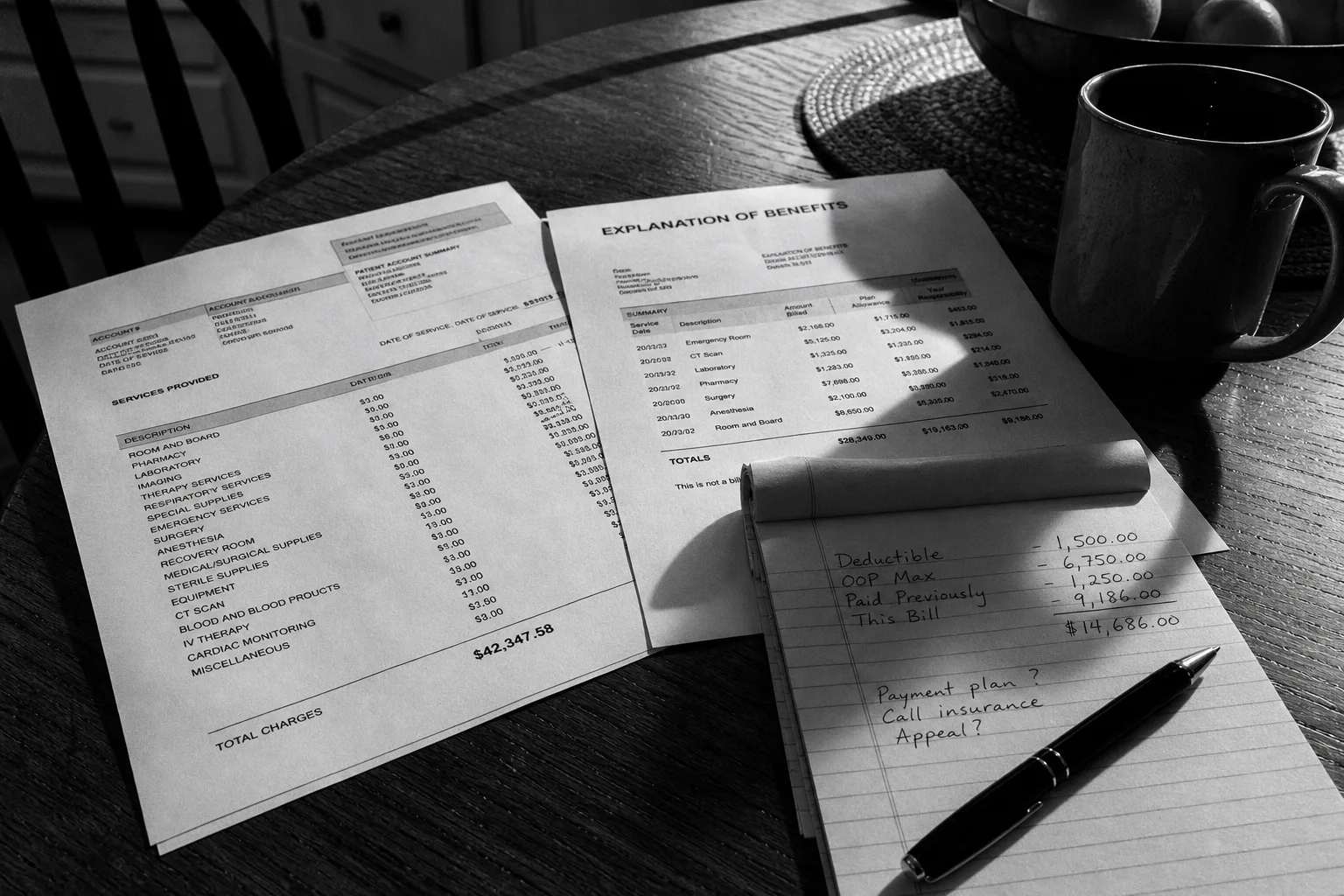
The obvious calculation is subtraction: repair cost minus deductible equals what the insurer pays, and if the result is positive the claim looks worthwhile. On a loss a little above the deductible that produces a small payment, and the small payment is what people focus on. The difficulty is that the payment arrives once while the consequences of having claimed persist across renewals, which means a comparison between a single number and a stream of numbers is being made as though both were single numbers.
The stream is not enormous in any one year, which is precisely why it is underestimated. A modest increase applied at each renewal for several years, on a policy that would otherwise have been priced without it, adds up to a figure that can exceed the original payment on a genuinely small claim. Nothing about that is punitive; it reflects how carriers price the observed likelihood of future claims, and a household that has claimed once is measurably more likely to claim again.
What a Claim Does to Renewal Pricing
Two separate things happen at renewal. The first is a surcharge or a change in the rating factors applied to the policy, which raises the premium directly. The second, and often larger, is the loss of a claims-free discount, which many households have without being conscious of it and which can be a meaningful share of the premium. Losing a discount and gaining a surcharge in the same renewal produces a change that surprises people who were expecting a modest adjustment.
How long it lasts varies by carrier and by state, and the honest answer is a range rather than a number: commonly three years, sometimes five, occasionally longer. The type of claim matters as well, since carriers treat categories differently. Weather losses affecting a whole neighborhood are generally viewed more neutrally than a water damage claim, which is treated as predictive because water losses genuinely do repeat. A liability claim sits in a different category again.
The Loss History That Follows the Property
The part households rarely account for is that claims are recorded in industry databases that other carriers consult, which means the effect is not confined to the current insurer. Shopping the policy after a claim produces quotes that already reflect it, so the usual remedy for an unwelcome renewal, which is to move, works less well than expected. The record is generally kept for several years and is attached to both the individual and the property.
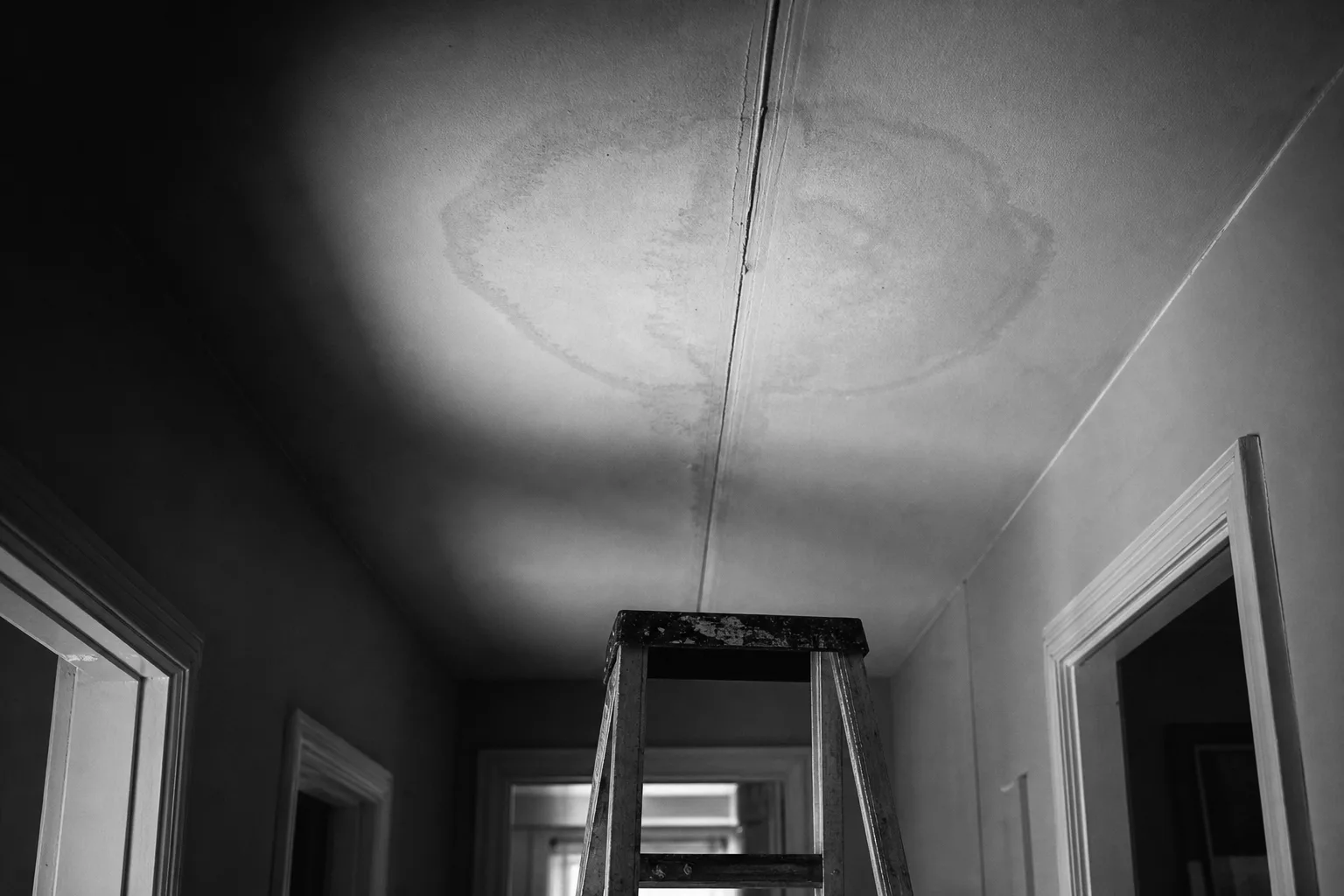
Attaching to the property is the detail that catches sellers. A house with two water claims in five years is quoted differently for the next owner, and a buyer who discovers that during their own insurance shopping may raise it during a transaction. This is not a reason to avoid claiming a genuine loss, which is what the policy exists for. It is a reason to understand that a small claim has consequences with a longer reach than the payment it produces.
A withdrawn claim is not the escape hatch people hope for either. Reporting a loss and then deciding not to pursue it still creates a record in most cases, because the report itself is what gets logged rather than the payment, and a claim closed without payment can appear on a loss history alongside one that settled. That is the reason agents are careful about the difference between a hypothetical question and a filed notice, and the reason it is worth being explicit about which one is being asked when the call is made.
Working Out the Line for Your Own Policy
A workable rule of thumb is to compare the payment against the deductible plus roughly three years of the likely premium increase, and to treat anything close as not worth claiming. The premium figure can be asked for directly: an agent will usually say what a claim of a given type would do to a renewal, and asking hypothetically before filing does not itself create a record, though it is worth being clear that the conversation is hypothetical.
The other lever is the deductible itself, and most households carry one set years ago and never revisited. Raising it substantially lowers the premium every year, and it also removes the temptation to claim on losses that were never worth claiming, which is a second saving that does not appear on any quote. The household that can comfortably absorb a larger first loss is generally better served by a higher deductible and a lower standing cost.
When to Claim Regardless of the Arithmetic
Several situations override all of the above and it is worth being clear about them. Anything involving injury to another person, or potential liability of any kind, should be reported immediately, because the policy requires prompt notice and because the eventual size of such a claim is unknowable at the outset. Anything where the damage may be worse than it looks, particularly water inside a wall, belongs in the same category. And any loss large enough that paying it privately would be difficult is exactly the event the policy was purchased for. The calculation described here applies to the narrow band of losses that sit just above the deductible, which is the only place the question is genuinely close.