Anyone assembling material for a dispute reaches instinctively for the dramatic parts: the heated exchange, the moment somebody admitted something, the message written at eleven at night that seemed to prove everything. Those are almost never what settles it. What settles it is a set of documents nobody thought twice about at the time, made while the work was ordinary and everyone was still on good terms, and dated in a way that cannot be argued with. The useful record is boring by nature, which is precisely why so little of it exists when it turns out to be needed.
What Counts as Evidence Before Anything Has Gone Wrong
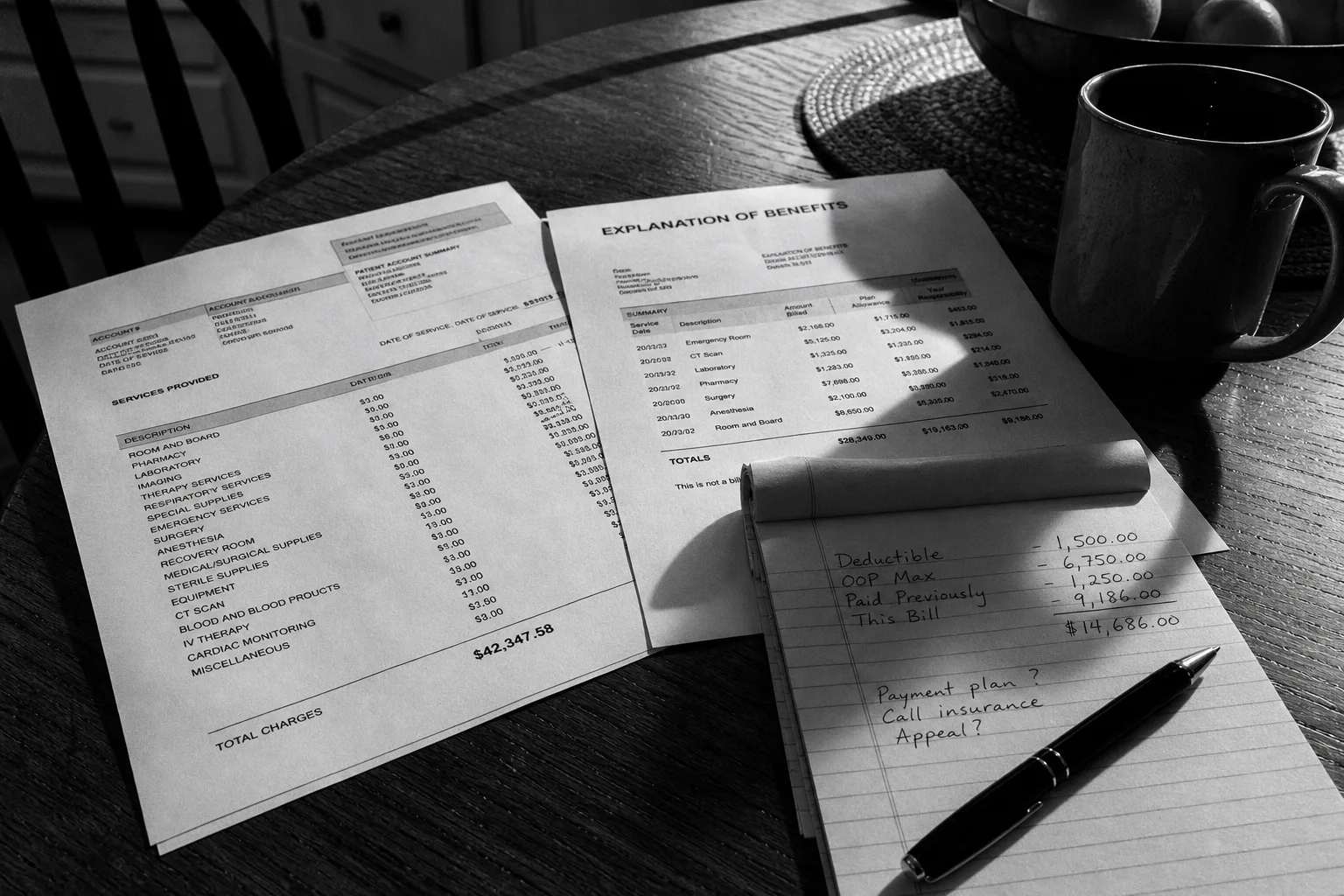
The record that matters most is created before there is any dispute to record, and it consists of ordinary documents kept rather than discarded. The signed estimate or contract with its scope description. The specification of what was actually selected, meaning the model numbers, the finishes, the tile that was chosen after two visits to a showroom. The schedule that was agreed, however informally. Payment records showing what was transferred and when. None of it looks like evidence at the time, which is the reason it gets deleted.
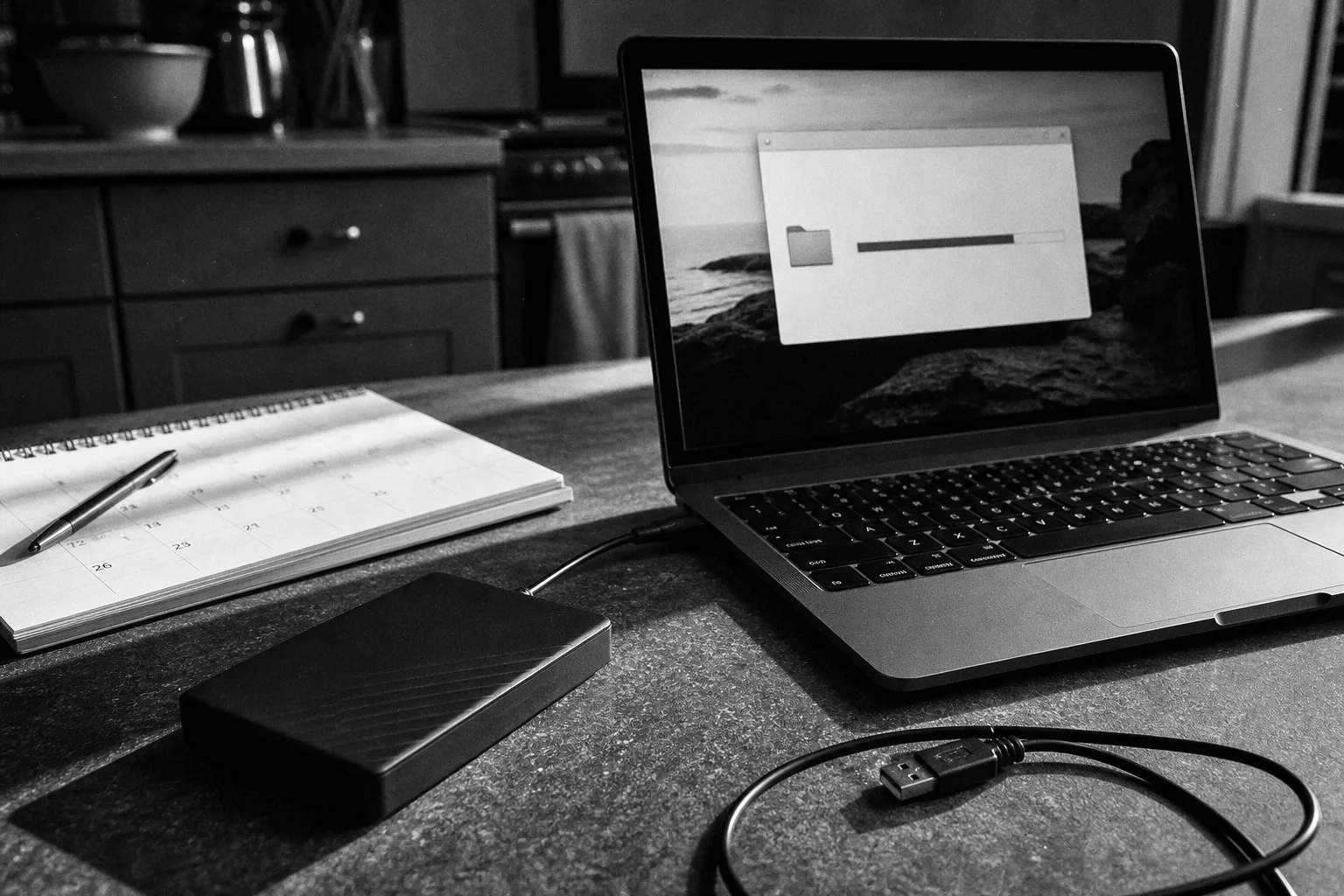
Keeping it costs nothing beyond a folder and a habit. A single directory per project, with everything dropped into it as it arrives and nothing sorted, is enormously more valuable than a tidy system that is maintained for three weeks and abandoned. The threshold to aim for is being able to answer, six months later, what was agreed and when it changed, without reconstructing anything from memory. Memory is the weakest material available and it degrades in the direction of whoever is remembering.
The Record Made at the Moment of the Change
Nearly every substantial dispute traces back to a change that was agreed verbally and never written down. Somebody asked for something in a doorway, somebody else said that would be fine, and a price was mentioned or was not. Six weeks later there are two sincere and incompatible accounts of that conversation. The fix is a message sent the same day, in plain terms, confirming what was asked for and what it will cost, and it does not need to be formal to work.
Sending it also has an effect on the present rather than only on the future, since a written confirmation gives the other party an immediate opportunity to disagree while the matter is still small. A change confirmed on the day and not objected to for a month is very difficult to dispute afterward. A change never confirmed at all is a coin toss, decided by whichever account sounds more plausible to somebody who was not there and has no independent way of choosing between two honest people.
Photographs, Dates, and Why the Dull Ones Win
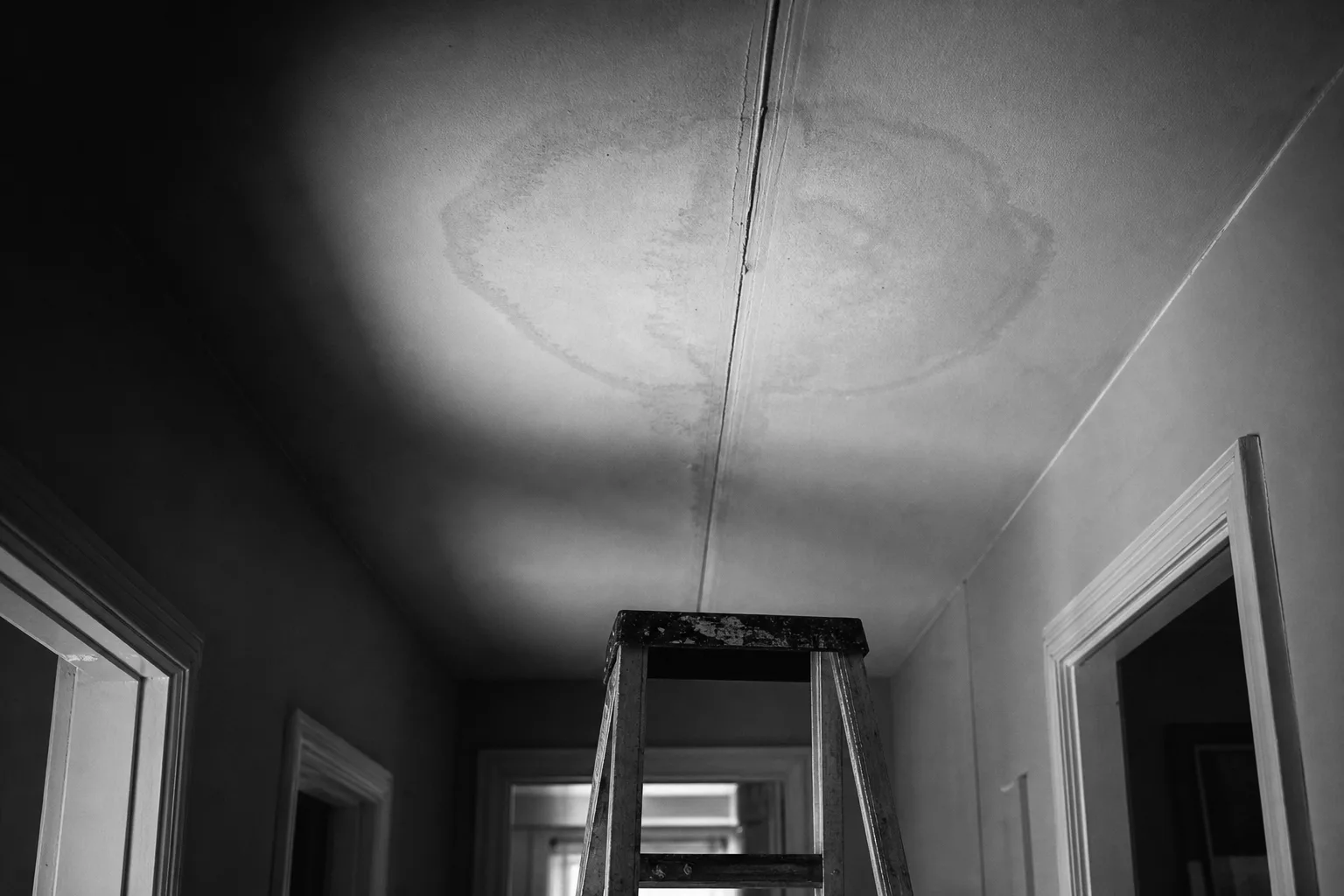
Photographs taken during ordinary work are worth more than photographs taken to document a problem, because they establish conditions rather than argue about them. A picture of an open wall before it was closed, of a subfloor before flooring went down, or of a room in its original state before anything started answers questions nobody knew would be asked. The photographs taken once a dispute exists are usually of the defect, which everyone already agrees is there, so they settle less than they appear to.
Dates carry the weight here and phones supply them automatically, which is the single most useful property of the medium. Keep the originals rather than screenshots or copies pasted into a document, since the file metadata is part of what makes the picture persuasive. Include something in the frame that fixes the location, such as a doorway or a window, because a close-up of damaged material that could have come from anywhere is worth considerably less than the same damage shown in a room somebody can identify.
Putting a Disagreement in Writing Without Escalating It
Once a disagreement exists, the written record has to keep being made, and this is where people either stop writing or start writing badly. The version that helps is flat, factual, and free of characterization: what was agreed, what has happened, what is being asked for, and by when. The version that hurts is the one that assigns motive, uses words like deliberately or dishonest, or rehearses the whole history of the relationship. The second kind reads poorly to any third party who eventually sees it.
Restraint here is a practical matter rather than a moral one. Correspondence is read later by a mediator, a judge, or an insurer, and the party who stayed measured while the other did not gains something that cannot be manufactured afterward. It is also easier to sustain than it sounds, because the discipline is simply to write the message, leave it overnight, and send the version that survives being read in the morning.
What Does Not Hold Up, and Why People Rely on It
Three categories are relied on heavily and deliver very little. Verbal assurances from someone with no authority to give them, however clearly remembered. Comparisons to what somebody else was charged for allegedly similar work, which invites an argument about whether the work was similar and rarely survives it. And a general narrative of poor behavior, which feels like the strongest case to the person holding it and is the weakest thing to present, because it asks a decision maker to form an impression rather than to check a fact.
People reach for these because they are what a grievance actually feels like from the inside. The frustration is cumulative and atmospheric, so the account of it is too. Converting that into something usable means asking a narrow question about each complaint: what specifically was promised, by whom, in what form, and what specifically happened instead. Complaints that survive those four questions are the case. The ones that do not are context, worth mentioning once and not worth building anything on.
Third party records deserve a mention here as well, because they are the material people forget they can obtain and the material a decision maker trusts most. Permit files held by a city or county show what was applied for, what was inspected, and when, and they are public. Inspection reports, utility records, and delivery confirmations from a supplier all come from somebody with no stake in the argument, which gives them a weight that neither party’s own paperwork can have. Requesting them takes a form and a small fee, and a single dated permit record has settled more disagreements about timing than any amount of correspondence between the people involved.
Assembling It When It Is Finally Needed
When the material is eventually needed, the assembly takes an evening if the habit was kept and a fortnight if it was not. Build a chronology, one line per event, each line tied to a document, with no argument on the page at all. Attach the documents in that order. The result is unglamorous and it is the single most persuasive thing a person can arrive with, whether the audience is an attorney, a mediator, or a small claims judge with nine other matters that afternoon. Everything that made it dull while it was being kept is what makes it work now.