Picture the hour as it usually goes. A person arrives with a folder of everything, or with nothing at all and a story, and spends the first twenty-five minutes establishing facts that could have been read in three. The attorney takes notes, asks for dates that have to be reconstructed from memory, and forms a view somewhere around minute forty. Useful advice starts arriving with fifteen minutes left. The hour was not wasted, but roughly half of it was spent on work the client was better placed to do, and doing it in advance is what separates an expensive conversation from a cheap one.
What the Hour Is Actually For
A first consultation is not the start of representation and it is not a service that solves the problem. It answers three questions and it should be aimed squarely at them: whether there is a claim or defense worth pursuing, roughly what pursuing it involves in time and money, and what has to be done immediately to avoid losing a position. That last one carries most of the value, because deadlines are the part of a legal problem that cannot be recovered once missed and are rarely obvious to a person outside the field.
It follows that the hour is being spent badly whenever the attorney is doing something a competent person could have done unpaid. Reconstructing a timeline is that kind of work. So is reading a contract for the first time, sorting invoices into date order, and working out which of two similar letters came first. None of it requires legal training, all of it takes time, and every minute of it displaces a minute of the judgment that is the only thing genuinely being purchased.
The Documents That Change the Answer
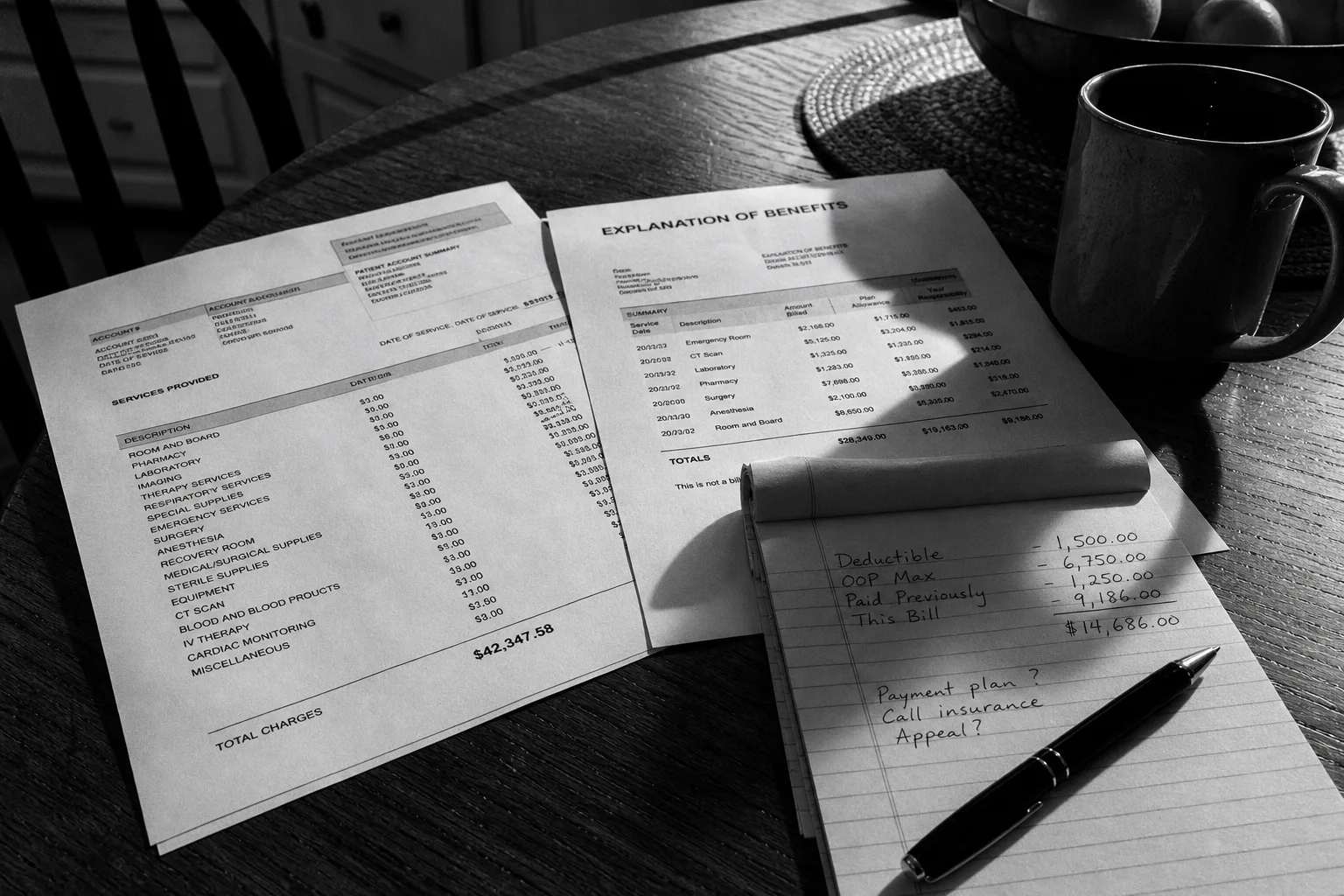
Four categories carry nearly all the weight. Anything that created the obligation comes first: the contract, the estimate that was accepted, the purchase order, the lease, or the exchange of messages that stood in for a contract when nobody signed anything. Second is anything showing what was actually done and paid, meaning invoices, receipts, canceled checks, and bank records. Third is the written record between the parties, in whatever form it exists. Fourth is anything from a third party, such as an inspection report, a permit, or a photograph with a date on it.
Text messages deserve particular attention because they are usually the most complete record and the worst preserved. Screenshots that show the sender and the date are worth far more than a transcription, and a thread exported in full is worth more than the four messages a client believes are the important ones. Attorneys read the surrounding traffic for context that clients do not think to mention, and a conversation that seemed irrelevant frequently contains the sentence that settles who agreed to what.
The One Page Summary That Buys Back Twenty Minutes
The single most useful item in the folder is a page nobody asked for: a plain chronology, one line per event, with a date on every line and no argument anywhere on it. What was agreed and when, what was paid and when, what went wrong, when it was raised, what the response was, and where matters stand. Written flatly, without adjectives, it is the fastest way to move an attorney from gathering facts to giving advice, and drafting it also tends to reveal to the client which parts of the story they cannot actually document.
Questions Worth Asking Before the Hour Ends
Four questions are worth reserving the last ten minutes for. What is the deadline that matters most and when does it fall. What is the realistic range of outcomes, stated as a range rather than a number. What will this cost to pursue, and under what fee arrangement. And what should be done in the next two weeks regardless of whether this attorney is retained, since the answer to that one is useful even if the client walks away and handles the matter alone.
What to Do With the Advice Afterward
Write it down the same day, while the phrasing is still fresh, because a consultation remembered a week later collapses into a general impression of how it went. Note the deadlines in a calendar rather than on the page. If the advice was that the matter does not need an attorney, that is a good outcome and worth the fee, since knowing a problem is smaller than it felt is worth an hour of anyone’s money. And keep the folder as it was assembled, because whatever happens next will start by asking for exactly those four categories again.