Open a residential solar proposal and the first impression is of a document made largely of numbers, presented with equal confidence throughout. Some of those numbers are specifications that can be checked against a manufacturer’s datasheet in five minutes. Others are outputs of a model built on assumptions about weather, tariffs and human behavior across two decades. Both are set in the same typeface on the same page, and separating them is the single most useful thing a household can do before comparing one proposal against another.
The Equipment Page, Which Is the Checkable Part
The hardware section is the most reliable material in the document because everything on it is verifiable. Panel manufacturer and model, quantity, and rated output per panel. Inverter type, meaning string, string with optimizers, or microinverters, along with its make and model. Racking system and mounting method. Every one of these can be looked up independently, and the specification the installer quotes should match what the manufacturer publishes, which it usually does.
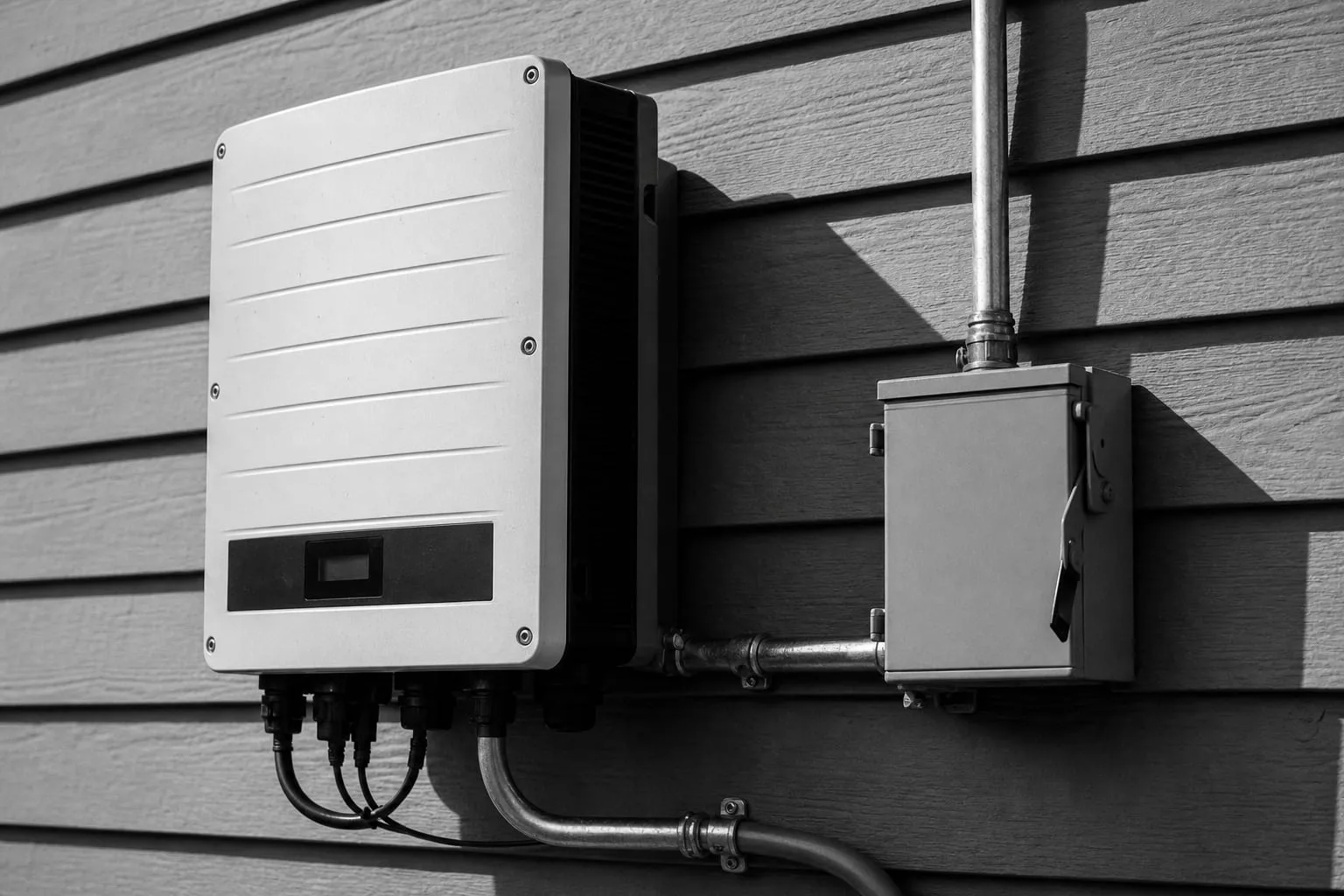
The choice worth understanding rather than merely checking is the inverter architecture, since it determines behavior under partial shade and how a failure shows up. A single string inverter is the least expensive and the whole array is affected by shading on part of it, whereas panel level electronics limit the loss to the affected modules. String inverters also concentrate the failure risk in one accessible box, while microinverters distribute it across the roof, which is better for reliability and worse for the labor cost of a repair.
The Production Estimate and What It Assumes
The annual generation figure is a model output and should be read as one. It comes from irradiance data for the location, the orientation and pitch of each roof plane, a shading assessment, and a set of loss factors covering soiling, wiring, inverter efficiency and temperature. Well-prepared estimates are reliable across a period of years and can be some way out in any single year, because weather does not average itself out on a convenient schedule.
Two inputs are worth asking about specifically. The first is how the shading was assessed, since a measured analysis across a full day differs substantially from an estimate made by looking at the roof, and the difference is largest exactly where it matters. The second is the degradation assumption, which describes how output declines over the system’s life and which compounds across twenty-five years. Independent consumer material published through the Department of Energy explains both in more detail than any proposal will, and reading it first makes the questions easier to ask.
The other figure on that page is what the household is assumed to consume, and it should be built from twelve months of actual bills rather than from a national average or from a projection about future usage. Proposals sometimes size an array against anticipated additions, such as an electric vehicle or a heat pump, which is reasonable if the household has decided on those and misleading if it has not. Ask which usage figure was used and where it came from, because an oversized system produces exports that may be worth considerably less than the electricity it displaces.
Warranties, Which Are Three Separate Documents
Households tend to hear one warranty and there are three, with different lengths and different parties standing behind them. The panel product warranty covers manufacturing defects and typically runs for a decade or more. The panel performance warranty is a separate promise that output will not fall below a stated percentage by a stated year, which is a different thing entirely and is the one that matters over the long run.
The third is the installer’s workmanship warranty, covering the labor, the mounting and the roof penetrations, and it is the one most likely to be tested and the one least likely to be honored, because it depends on the installer still trading. A panel manufacturer’s twenty-five year promise is only useful if somebody is available to remove and replace the panel, and that labor is the installer’s responsibility rather than the manufacturer’s. Asking how long the company has been trading under its current name is a fair question at this point.
The Financing Page, Where the Real Price Lives
Where a system is financed rather than bought outright, the financing section deserves more attention than the hardware. A low advertised interest rate is frequently paired with a dealer fee added into the amount financed, so the cash price and the financed price are different numbers for the same equipment, and the comparison worth making is total amount repaid rather than monthly payment. Ask for the cash price explicitly, then ask what the financed total comes to.
Leases and power purchase agreements are structurally different again, since the household does not own the system and is buying either the equipment’s use or the electricity it produces. Both commonly include an annual escalator, meaning the payment rises each year on a schedule set in the contract, and both create an obligation that has to be dealt with when the house is sold. Neither is inherently a poor arrangement, and both should be compared against ownership on the total paid across the term rather than on the first year.
Incentives belong to this section as well, since they change the amount financed and arrive on their own schedules. A federal tax credit is claimed on a return and depends on there being liability to offset, so a household with modest liability may take several years to use it fully and should not treat it as a discount applied at signing. State and utility programs vary widely in form and several step down on published timetables. A proposal that subtracts every incentive from the price on day one is describing a position no household actually occupies in that first year.
The Contract Terms Nobody Reads
The last pages carry the clauses that decide what happens when something does not go to plan. What occurs if the utility interconnection is delayed, which is common and outside the installer’s control. Who pays if the roof turns out to need work once the crew is on it. Whether the production estimate carries any guarantee, and what the remedy is if actual output falls short. What the cancellation terms are before installation begins.
None of that is difficult reading and all of it is skipped, usually because the interesting decision felt like it was made several pages earlier. An hour spent separating the checkable numbers from the modeled ones, and then reading the terms at the back, turns a sales document into something that can be compared honestly against another sales document. That is the whole exercise, and it is the difference between choosing a system and choosing whichever proposal showed the friendlier figure on the first page.