A dispute is generally described as something that gets won or lost, which is how it feels from inside and not how most of them actually end. The great majority stop somewhere in the middle, when one party runs out of money, patience or appetite, and the point at which that happens is rarely chosen. It is usually arrived at, some months after the moment when stopping would have been the obviously correct decision. The signals that the moment has arrived are recognizable, and none of them require a lawyer to spot.
The Cost of Pursuing It Has Passed the Amount in Question
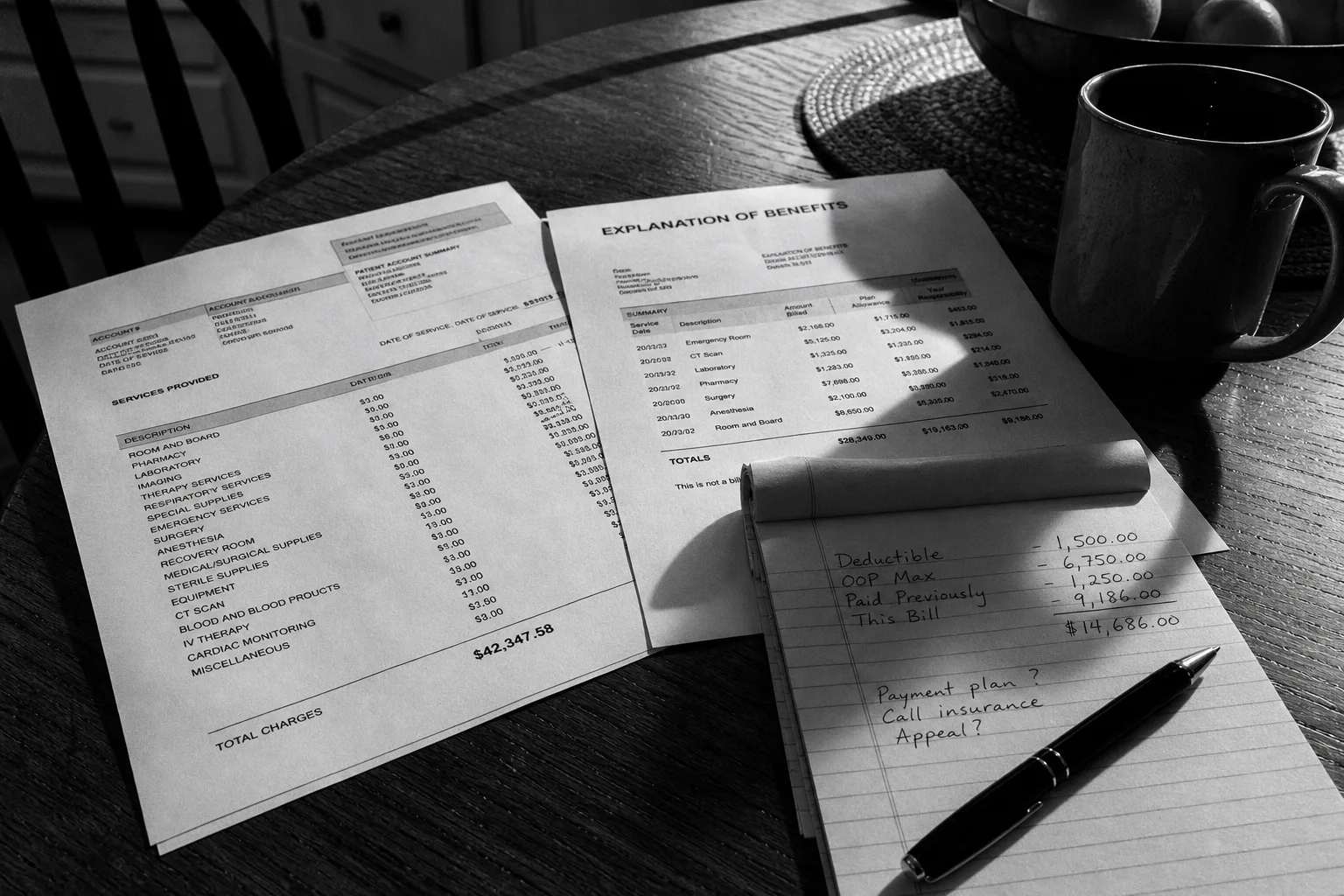
The first and most reliable signal is arithmetic, and it is ignored because the money already spent feels like a reason to continue rather than a sunk cost. What matters is only the money still to be spent against the money still to be recovered, and once the first exceeds the second the case has stopped being an economic activity. It may still be worth pursuing for other reasons, which is a legitimate position, but it should be held knowingly rather than by drift.
The figure people forget is their own time, which on a construction or contract dispute is substantial. Assembling documents, attending meetings, sitting through a hearing, and the diffuse cost of thinking about it during weeks when it cannot be progressed all consume hours that would otherwise have been productive. A self-employed person pursuing a claim worth a few thousand dollars may spend more than that in unbilled time, and the invoice for it never arrives, so it never enters the calculation.
The Other Side Cannot Pay Even If You Win
A judgment is a piece of paper stating that money is owed. Collecting it is a separate process with its own cost, and it fails entirely against a party who has nothing. Contractors who abandon jobs are frequently in financial difficulty, which is often why the job was abandoned, and a company that dissolves and reopens under a new name leaves a judgment attached to an entity with no assets. Winning against that entity produces a document and no money.
Checking this before spending anything substantial is straightforward and rarely done. State business registries show whether an entity is active, dissolved or delinquent. Court records show whether other judgments already exist, and a defendant with several is a defendant whose available money has already been claimed by people ahead of you. Where a surety bond or an insurance policy stands behind the work, that is a source of payment worth identifying early, because it changes the calculation entirely.
The Evidence Has Not Improved in Six Months
Cases are usually strongest at the moment the dispute arises and weaken from there, which is the opposite of how people expect them to behave. Memories become less precise, witnesses become harder to reach, and the physical evidence gets repaired, replaced or thrown away in the ordinary course of living in a house. A party who has spent six months hoping to find something that establishes their version is generally going to spend the next six months the same way.
The honest test is to ask what specifically would have to turn up, and whether there is any reason to think it exists. A named document, a record held by a third party, or a witness who can be located are all answers that justify continuing. The absence of an answer, or a general expectation that discovery will produce something helpful, is not, and this is the point at which a dispute most often continues on optimism rather than on evidence.
It Has Started Costing You Somewhere Else
The fourth signal is indirect and it is the one people are least willing to state out loud. A dispute occupies attention, and attention is the scarce input in a small business or a household under pressure. Work gets quoted late, a customer who needed a call back did not get one, and sleep gets worse. None of that appears in any calculation about the merits, and all of it is a real cost being paid weekly for as long as the matter remains open.
It is worth asking directly what the matter is currently costing in that register, and whether the answer would be acceptable if the amount at stake were half what it is. Frequently it would not be, which indicates that the pursuit has become about the principle rather than the money. Again, that is a legitimate reason to continue, and it should be an explicit one, because a principle worth several thousand dollars and six months of attention is worth naming rather than sliding into.
Deadlines can also close the question for you, and they run quietly in the background of every dispute. Statutes of limitation set an outer boundary on when a claim can be brought at all, mechanics lien windows are far shorter and measured from the last work performed, and contractual notice periods sometimes require a complaint to be raised within a defined number of days. A matter drifting toward one of those dates is being decided by a calendar rather than by anybody, and finding out which dates apply is worth an hour early on.
Stopping Deliberately Rather Than by Exhaustion
Stopping well is different from stopping. A deliberate exit means making a final settlement offer that is genuinely acceptable, in writing, with a short deadline, and meaning it. It means asking for something in exchange for dropping the matter even where the something is small, since a party being released from a claim will frequently pay a modest amount to have it end. And it means putting the outcome in writing so the matter is closed rather than merely dormant.
The uncomfortable part is that stopping is usually the correct decision considerably earlier than anybody makes it, and the reason is not stubbornness so much as the absence of a moment to decide. Nobody schedules a review of a dispute. Putting one in the calendar at the outset, three months ahead, with the arithmetic to be redone at that point, converts a drift into a decision, and it is the single most useful thing anyone can do at the moment a disagreement starts.