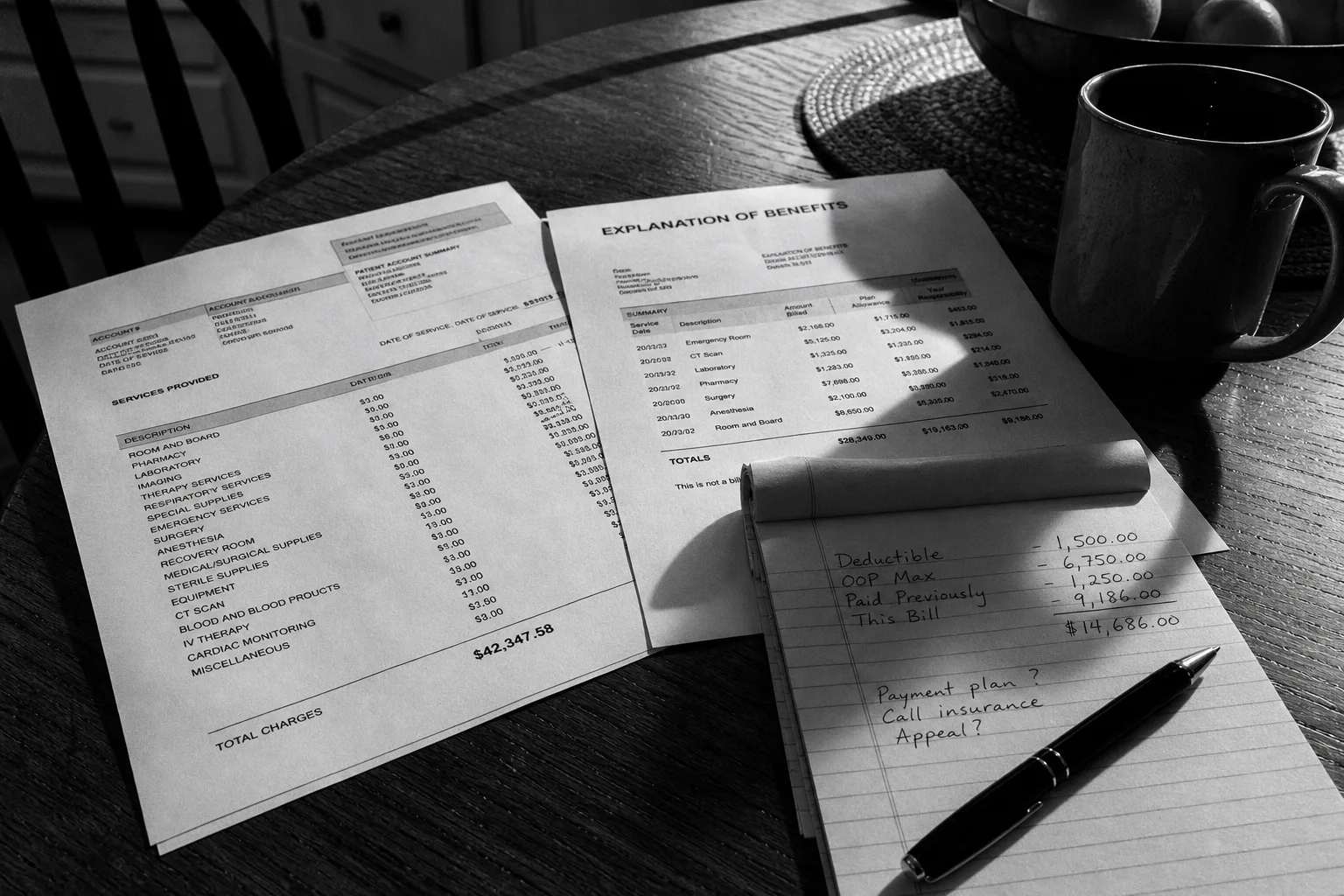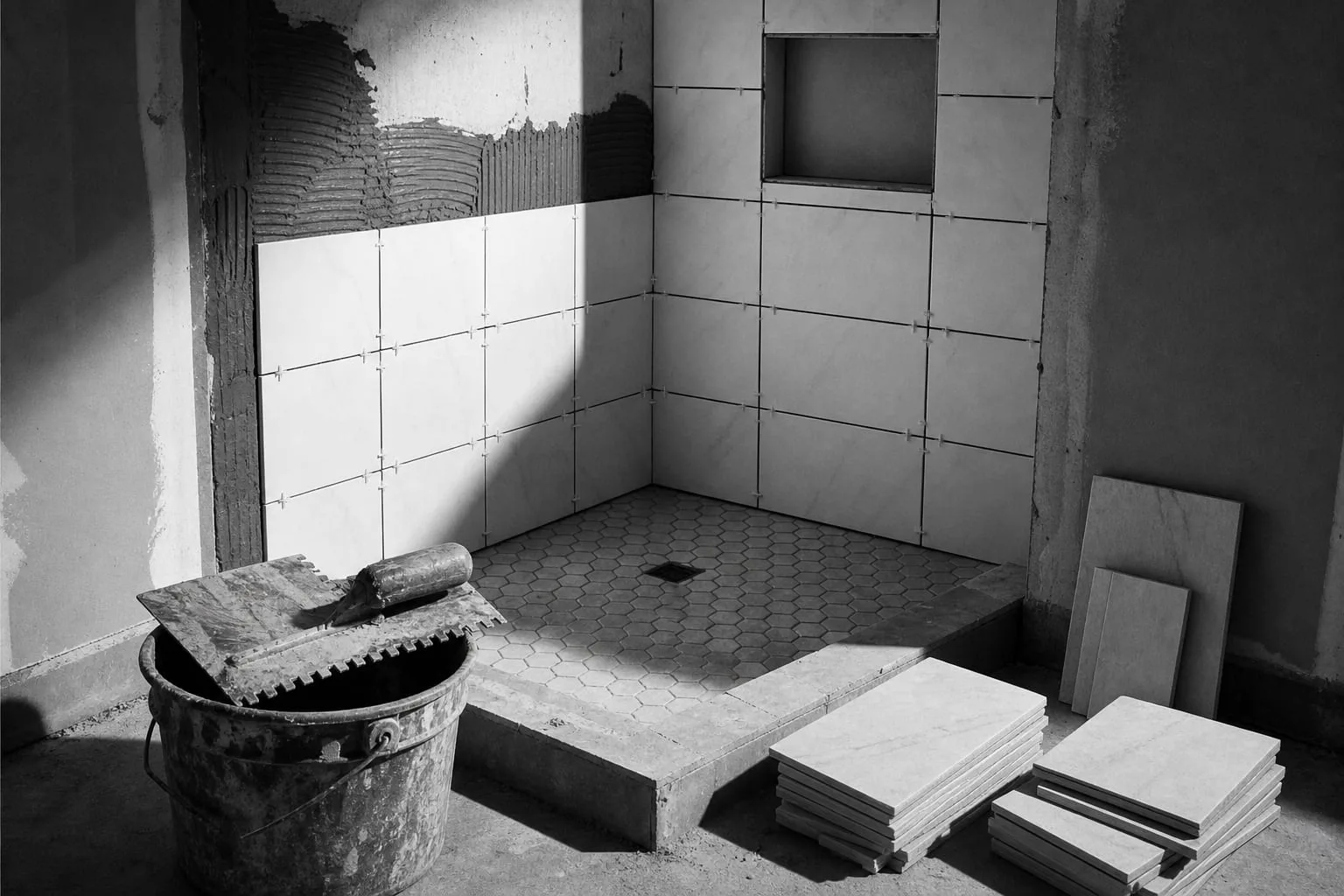
A homeowner and a contractor disagree about a change that was made partway through a bathroom, and the conversation has gone around three times without moving. From inside it, this feels like the beginning of a legal problem. Statistically it is not: the substantial majority of disputes over building work end with two people, a written summary of what each believes was agreed, and a compromise that neither of them enjoys. The minority that go further tend to announce themselves early, and the signals are worth recognizing before several thousand dollars have been spent finding out.
Most Disputes Are Communication Failures With an Invoice Attached
The typical disagreement is about scope rather than about competence or honesty. Somebody asked for something in a hallway conversation, somebody else priced it in their head, and neither wrote it down, so two reasonable people now hold two different and equally sincere accounts of what was agreed. Nothing about that is a legal matter yet. It is a documentation failure, and the remedy is a document: a written summary of each position, sent by email, which forces both accounts into a form that can be compared line by line.
That step resolves more disputes than any other single action, partly because writing a position down tends to moderate it. A claim that felt obvious while being rehearsed in the shower reads differently on a screen, and both parties usually discover their case is slightly weaker than it felt. It also produces the record that everything afterward will refer back to, which means an evening spent on it is not wasted even in the cases where it fails to settle anything.
The Signals That Change the Calculation
Four things move a dispute out of that category. The first is a safety or code issue, since work that will not pass inspection or that leaves a hazard is no longer a disagreement about value. The second is a licensing or insurance problem discovered partway through, which changes who bears the risk of everything already done. The third is any dispute where a lien has been filed or threatened, because a lien attaches to the property and has its own clocks. The fourth is a contractor who has stopped communicating entirely.
Silence deserves particular weight because it usually indicates something happening elsewhere. A contractor who has gone quiet is frequently in financial difficulty, juggling several unhappy customers, or preparing to close and reopen under another name. Whatever the cause, the practical effect is that time is now working against recovery, and the calculations that made patience sensible in week one stop applying. Anyone in that position should be establishing deadlines and preserving records rather than waiting for a call back.
What Changes Once an Attorney Is Involved
Bringing in counsel changes the temperature and the timeline, and both cut in more than one direction. A letter on a firm’s letterhead resolves a meaningful share of disputes on its own, because it signals that the other side is prepared to spend money on the matter. It also generally ends any informal working relationship, so a homeowner hoping the contractor will come back and finish should understand that they are choosing between two paths rather than adding a tool to one of them.
The Arithmetic of Pursuing It
The numbers are usually clearer than the emotions. Small claims court handles disputes up to a limit that varies widely by state, requires no attorney, costs very little to file, and commonly reaches a hearing within a couple of months. Above that limit, hourly representation on a construction dispute can consume a substantial share of the amount in question before anyone reaches a courtroom, which is why waiving the excess to stay within the small claims limit is a genuinely rational choice more often than it sounds.
Settling Deliberately Rather Than by Exhaustion
Most disputes that go the distance settle anyway, and they settle late, after both sides have spent money that no longer buys anything. The alternative is to decide early what outcome would be acceptable, state it, and mean it. Mediation is available in many jurisdictions for a modest fee and is faster than litigation by a wide margin, and a mediator’s only job is to find the version of the compromise that both parties can live with.
The homeowner standing in a half-finished bathroom is generally trying to achieve one of two things: get the work completed properly, or get their money back. Those goals point in different directions, and choosing which one is actually wanted, early and explicitly, does more to shorten a dispute than any tactic available afterward. The disputes that turn expensive are usually the ones where nobody made that choice and both parties kept pursuing whichever goal seemed nearer that week.